How much does a Maasai Mara safari actually cost? Every line item, from someone who runs a lodge here
The question I answer most often on WhatsApp isn't about lions, it's some version of "what should I actually budget for this?", usually from someone who has spent an evening with fifteen tabs open, finding trips priced anywhere from $440 to $3,000 for what looks like the same three days. The packages never show their math, so people can't tell what's fair. And then there's a second group: the ones who booked everything, landed in Nairobi, and only found out at the gate that entering the reserve costs $200 per person per day in high season. That thread gets rewritten on Reddit every few months by a newly shocked traveler.
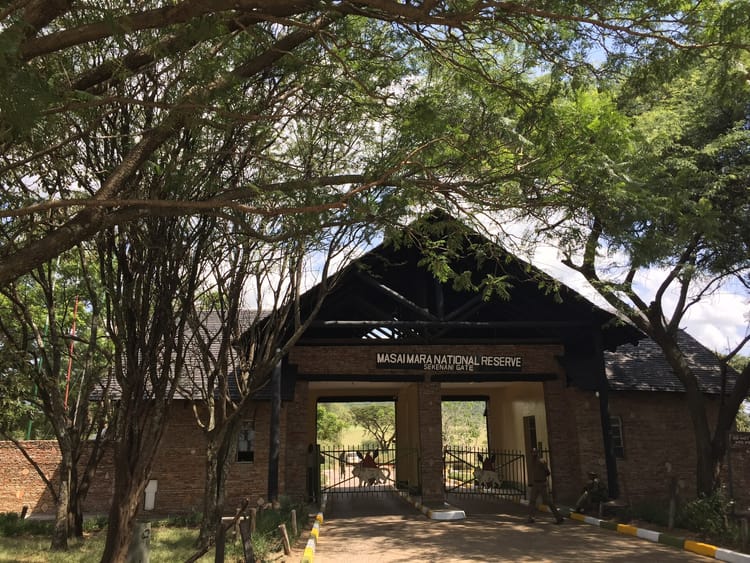
So here is the whole thing, item by item. My conflict of interest first: I run Mara Hilltop, a lodge 2.5 km outside Sekenani Gate, and the accommodation numbers below are our published direct rates. I'm using them because I can vouch for them, not because we're the only option. Where a competitor or a cheaper route is the better answer, I'll say so.
Prices below are what's current as of August 2026. Kenya revises fees and fuel moves transfer prices, so treat anything you read (here included) as a snapshot and confirm before you pay.
The line item that ambushes people: park fees
| Period | Non-resident | East African resident |
|---|---|---|
| January – June | $100 per person per day | KES 2,500 per day |
| July – December | $200 per person per day | KES 5,000 per day |
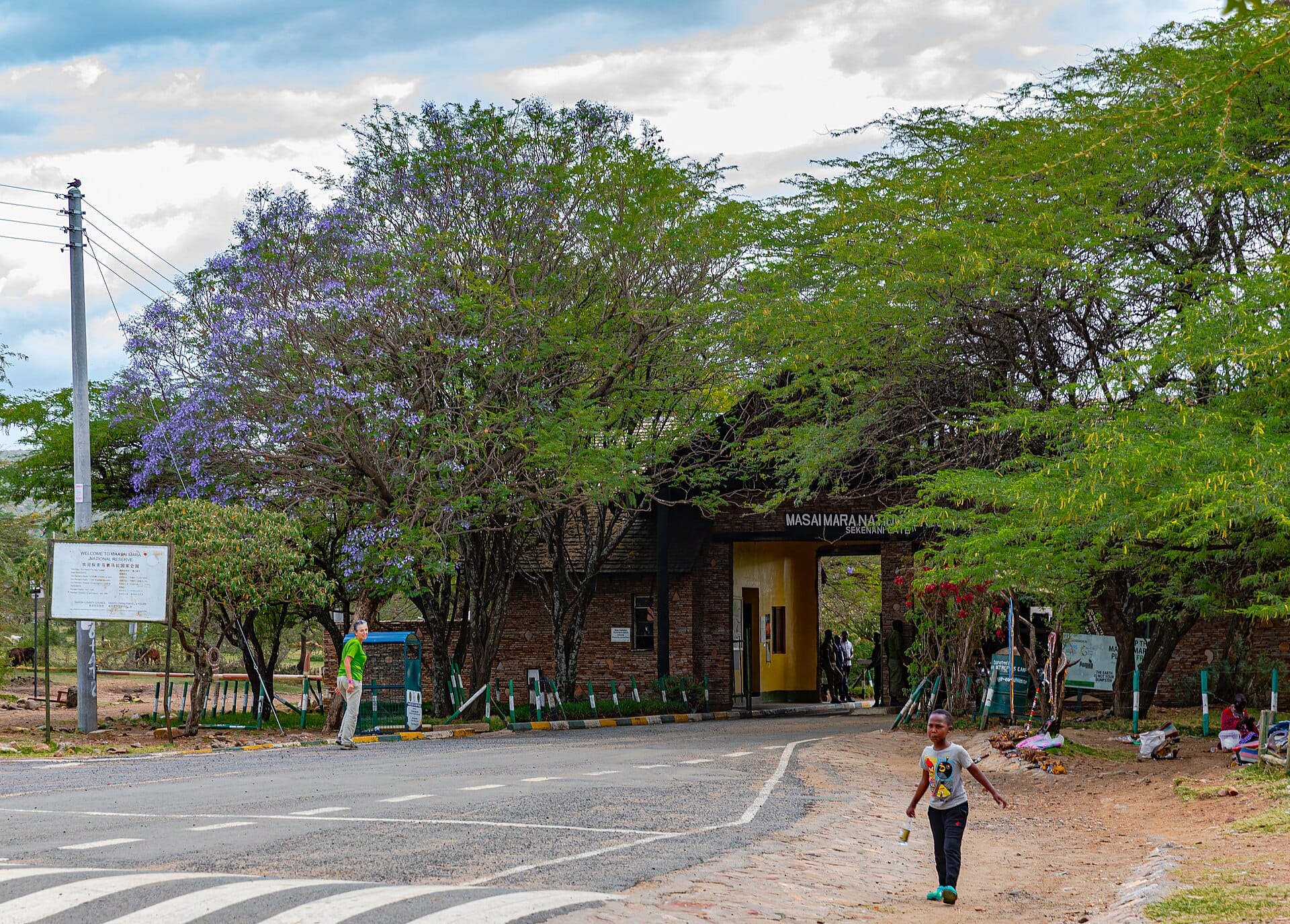
You pay this at the gate, on each day you enter the reserve. It is not something your lodge collects, nobody gets a cut, and no operator can discount it. The ticket is a day pass, valid 6 am to 6 pm, which is where the "12-hour rule" you'll see mentioned in forums comes from. In practice it means a full-day game drive fits inside one fee, and you can't stretch one ticket across two days.
I've since written the fee rules up on their own, with the county's own schedule, the 12-hour rule, children and residents, and what happens at the KAPS window: Maasai Mara park fees in 2026, and what the fee table doesn't tell you.
Two things follow from that table. First, a couple doing two reserve days in August is paying $800 in park fees before they've slept anywhere or driven anywhere. Budget for it up front and it's fine; discover it at the gate and it ruins your morning. Second, the calendar matters enormously: the same two days in March cost $400. I'll come back to that in the overpaying section.
One structural choice controls how many times you pay this fee: whether you sleep inside the reserve or outside it. Stay inside and you're inside the fee zone for every day of your trip. Stay outside (Sekenani, Talek, and Oloolaimutia are the main clusters, and yes, this is where my lodge is) and you pay only on the days you actually go in. The wildlife does not respect the boundary; I've watched guests miss a leopard all day inside the reserve and then pass one two minutes after leaving the gate. I've written a whole post on the inside-versus-outside question if you want the long version.
Getting there: $20 to $330 each way
From Nairobi you have four realistic options, and the most expensive costs more than fifteen times the cheapest.
| Option | Cost | Time |
|---|---|---|
| EasyCoach bus to Narok + shared taxi to Sekenani (DIY) | ~$20–25 | most of a day |
| Lodge picks you up in Narok | $80 | bus + 1.5 hr drive |
| Private transfer, door to door | $250 one way / $450 round trip | 4–5 hrs |
| Fly Wilson → Keekorok airstrip | $150–250 pp each way + $80 airstrip pickup each way | 45 min in the air |
The DIY route works and is safe; it just costs you time and a little patience at the Narok stage. Most lodges near Sekenani, ours included, will collect you from the gate for free once you've made it that far. The private transfer is the default for most travelers because five hours door to door with your bags handled is worth $250 to most people. The flight is for those whose time is worth more than their money, with two warnings I give everyone. The airstrip transfer is a separate $80 each way, and it's the single most commonly forgotten line in the budgets I see. And Keekorok airstrip sits inside the reserve, so ask whoever books your flight exactly how your arrival day is handled on park fees; it changes the math.
The full logistics, including the Narok taxi-stage details, are in our transport guide.
Sleeping: $340 a night down to $50, and what each tier buys
This is where the range is widest and where I have skin in the game, so, disclosure again: these are our own direct rates, quoted for high season (July–October) on full board.
| Tier | What it is | Price (high season, full board) |
|---|---|---|
| Luxury tent | king bed, en-suite, private deck | $340 per couple per night |
| Standard room / tent | private mid-range, en-suite room or canvas tent | $260 per couple per night |
| Dorm bed | shared 6-bed room, incl. a female-only dorm | $75 per bed ($50 bed & breakfast) |
A few honest notes on that table. In the low season (May, June, November) the luxury tent drops to $225 a night for two, full board, which is the quiet bargain on this whole page. The mid tier is new for us (the standard rooms and tents opened to direct bookings on 1 July 2026), and it exists because couples kept telling us the gap between a dorm bed and a $340 tent was too wide. And the dorm price is what makes a genuinely cheap Mara trip possible; as far as I know we're still the only property in the Mara running actual dorms.
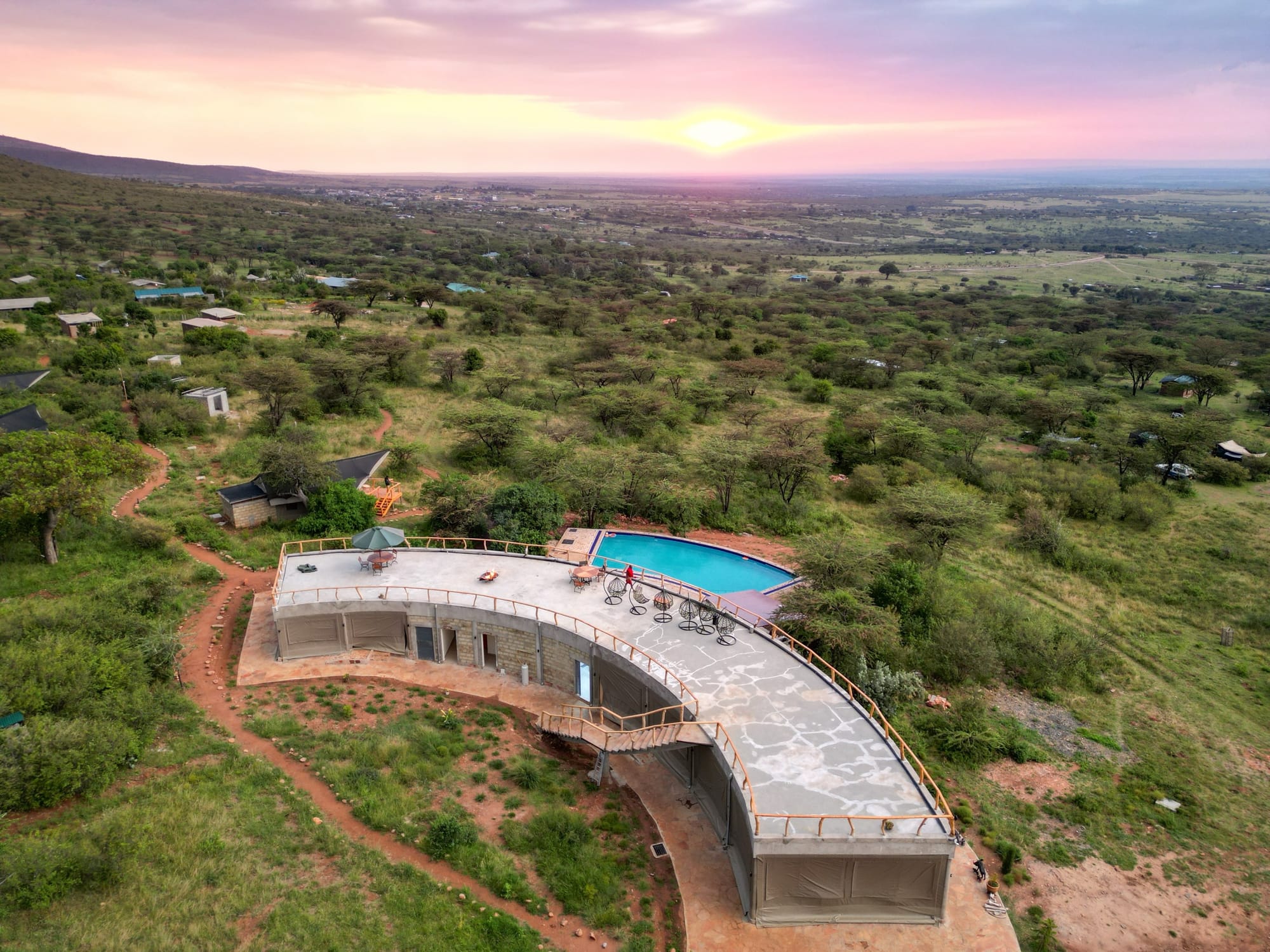
If you want to be inside the reserve itself, that's a different product at a different price: the classic properties there run several times these numbers, and remember you're adding park fees for every day of your stay. It's a real experience (waking up deep in the park is something), I just want you to price it with your eyes open. And if you want cheaper than our dorms, budget camping options cluster around Talek and Oloolaimutia; the where-to-stay guide covers the areas honestly.
Kids, since families always ask: ages 0–5 stay free sharing with parents, 6–12 pay half.
The game drive: priced per vehicle, not per person
This is the fact that saves group travelers the most money: a full-day game drive (6 am to 6 pm) in a private Land Cruiser costs $300 for the whole vehicle, and the vehicle takes 6–7 people. Packed lunch included, open sides, pop-up roof, a Maasai driver-guide who grew up reading this land.
One careful distinction, because two different things get called "sharing". Six of you splitting one private vehicle is $50 a head for twelve hours in the reserve, and you control that math. Arriving solo and asking to be matched into a shared vehicle is a different product: when a match works, expect roughly 30–40% off the private price, so $180–210 for your seat rather than $300. We do try to match solo guests, and I'll tell you what I tell every guest: it depends entirely on who else is around that day, and we cannot promise it. Anyone who guarantees you a shared-vehicle price is guaranteeing something they don't control.
A half-day drive runs $200 per vehicle with us in high season, more like $180 in the low months, and you'll find operators doing it for $150. Worth knowing, though the park fee is the same either way, so most people maximize the day they've already paid $200 to be inside.
The extras, quickly
None of these are mandatory, all of them are real prices:
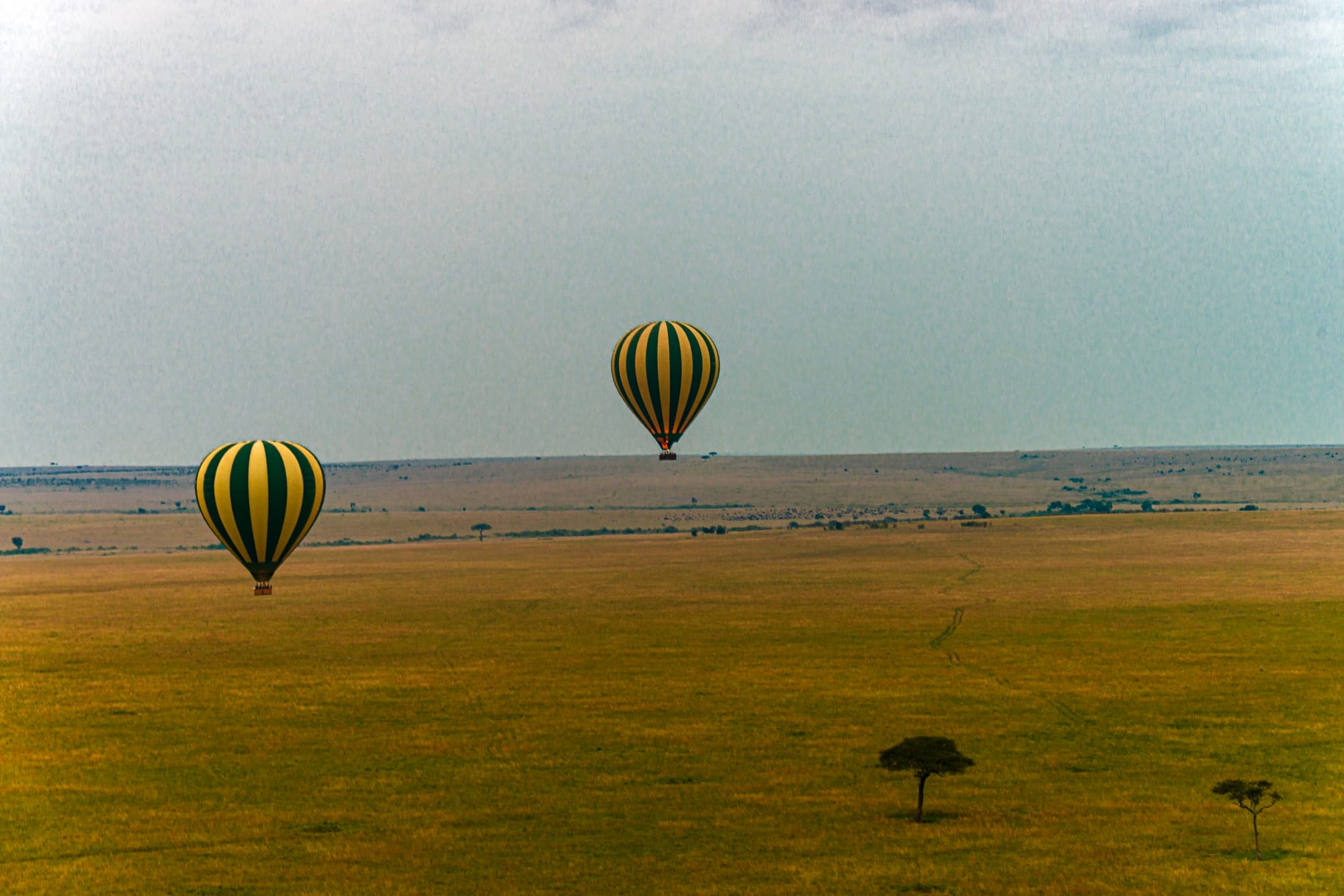
- Hot air balloon at sunrise, with champagne breakfast: $450 per person, roughly the going rate everywhere in the Mara
- Night safari in a neighboring conservancy: $275–380 per vehicle depending on group size (night drives aren't allowed in the main reserve at all)
- Maasai village visit or boma visit: $25 per person
- Guided nature walk with warrior-skills session: $25 per person
- Tipping: never required, but KES 2,000–5,000 (about $20–50) for your safari driver is the typical range guests give
- Beer, wine, laundry, souvenirs: small but real; full-board meal plans don't include drinks anywhere I know of, us included
Three real budgets, worked out
All high season (July–October), all 4 days / 3 nights, all including park fees and transport from Nairobi. These use the line items above, so you can rebuild them yourself with different choices.
| Line item | Backpacker (solo) | Mid-range (couple) | Luxury (couple) |
|---|---|---|---|
| Transport | $50 (bus + taxi, return) | $450 (private, return) | flights ($150–250 pp each way) + $160 airstrip transfers |
| Room, 3 nights full board | $225 (dorm) | $780 (standard room) | $1,020 (luxury tent) |
| Game drives | $50–210 (vehicle split six ways vs solo matched) | $600 (two full days, private) | $600 (two full days, private) |
| Park fees | $200 (one day) | $800 (two days × two people) | $800 (two days × two people) |
| Extras | $25 (village visit) | $50 (village visit) | $900 (balloon for two) |
| Total | ~$550–710 | ~$2,680 (~$335 pp/day) | ~$3,480 + flights |
The backpacker column is the one that surprises people: yes, a solo traveler can do the Mara in high season for roughly $600–700, and closer to $550 if the dorm hands you five people happy to fill a vehicle together. Worst case, nobody turns up to share and you take the vehicle alone: about $800. The biggest single line in that budget is the government's, not any lodge's. Do the same trip in March and it's roughly $100 cheaper on the fee alone.
The mid-range column is worth comparing to the packages you've been quoted. A lot of "mid-range" 3-day packages price at $500–800 per person; the DIY equivalent above runs about $1,340 per person for four days. The gap usually isn't generosity. A $500 package can't absorb $400 of high-season park fees and a private Land Cruiser, so something else gives: a shared minivan, low-season dates, a camp bed, or park fees quoted separately at the end. Sometimes the package really is fair value for the logistics it removes. With this table you can at least ask which lines it actually includes. That's what a $440 trip is: the same days with several of these lines missing.
Where people actually overpay
I've watched hundreds of guests build these budgets from the receiving end. These are the recurring leaks:
1. Paying park fees to sleep. Staying inside the reserve means the fee applies every day you're there, not just game-drive days. For a couple over four high-season days that's up to $1,600 before anything else. If waking up deep inside the park is the dream, pay it knowingly. If you mostly want the wildlife, staying outside and entering on the days you drive buys the same animals for hundreds less.
2. Visiting in the wrong half of the year by accident. July to October is peak for a reason (the migration is here, and I've written an honest guide to it), but if river crossings aren't your priority, January to June halves the park fee and drops room rates too. The green season is the best-value Mara there is. Plenty of travelers pay the July premium without wanting the thing the premium is for.
3. Accepting per-person pricing on a per-vehicle product. The game-drive vehicle costs $300 flat. A group of six quoted "$150 per person per game drive" is paying $900 for it. Always ask whether a drive price is per seat or per vehicle. This one question can save a family more than any discount code ever will.
4. Forgetting the connectors: the $80 airstrip transfer each way, drinks on full board, the taxi stage from Narok. None of them is large; together they're a couple hundred dollars appearing at checkout time.
5. Buying a package without reading what's in it. Nothing wrong with packages, and a good operator earns their margin in logistics and accountability. But the quote has to face the math on this page. If it's double the DIY numbers, you're paying a large convenience fee. If it's dramatically below them, something here isn't in it: usually the park fees, sometimes the vehicle. We wrote a full guide to booking a Kenya safari without an agency if you'd rather skip the question entirely.
And one place people think they're overpaying but aren't: the balloon. $450 a person stings, but it's roughly what every operator charges, and the sunrise-over-the-herds thing is real. That one's a values question, not a shopping question.
What I'd actually budget
For a 4-day high-season trip, all in from Nairobi: around $600–700 solo in a dorm, around $1,300 per person mid-range as a couple, and $1,700+ per person with the luxury tent and the balloon before flights. Come between January and June and every one of those numbers drops. For numbers matched to your actual dates, ask us on WhatsApp.
The Mara is not a cheap destination, and the biggest reason is a park fee that nobody can discount and everybody should know about before the gate. Everything else on this page is a choice. That one isn't, and I'd rather you hear it from a lodge owner in August 2026 than from a ranger holding a card machine at 6 am.
— NJ, co-owner of Mara Hilltop. I live in the Mara and build software from here: the lodge runs on KaribuKit, the hotel platform we make at SimbaStack.