Where to stay in the Maasai Mara: the three areas everyone chooses between
If you're planning your first safari from the US or Europe, the Maasai Mara does a very good job of confusing you. You search for lodges and get two hundred results scattered across a reserve of roughly 1,500 square kilometers, with names like Oloolaimutia and Sekenani that you're not sure how to pronounce, and no obvious way to tell whether a camp is in the middle of the action or an hour of dirt road away from it.
I run a lodge here, so I've answered this question in some form a few hundred times over WhatsApp. This post is the longer version of what I actually tell people: there are really only three areas most visitors choose between, plus the option of staying inside the reserve itself. Once you understand those, the two hundred lodges sort themselves out.
Quick disclosure before we start: my lodge sits in one of these areas, so I'm biased and I'll tell you exactly where. But I'll also tell you which other area I'd happily recommend, because the honest answer isn't "stay with us or you've ruined your trip."
The 60-second version
| Area | The short version | Getting there from Nairobi | Who it suits |
|---|---|---|---|
| Sekenani | The main gate. Tarmac all the way, dorm beds to luxury tents, plus nature walks, night drives and motorcycle trips | 4–5 hours, paved to the gate | First-timers and families, but honestly anyone who wants the easiest trip without giving up comfort |
| Talek | The central hub, closest to the middle of the reserve | 5.5–6.5 hours, last stretch is dirt | Safari-focused travelers who want maximum time in the thick of it |
| Oloolaimutia | The budget corner, near Siana | Same side as Sekenani, rougher final stretch | Backpackers and anyone watching every dollar |
| Inside the reserve | You wake up already in the park | Fly in, or drive to a gate and continue | Honeymooners and anyone with $450–900+ per night, plus park fees every day |
That's the map. Now the detail, because the detail is where people make expensive mistakes.
First, understand what "the Mara" actually is
The Maasai Mara National Reserve is the protected core, run by Narok County. You pay an entry fee to go in: $100 per adult per day from January to June, $200 per day from July to December. The famous river crossings, the big cat densities you've seen in documentaries, most of what you picture when you think "Maasai Mara": all of that is the reserve.
But the ecosystem doesn't stop at the boundary. The reserve is surrounded by conservancies, which are community-owned Maasai land where the same animals roam freely. There's no fence anywhere. A lion crossing from the reserve into Siana Conservancy does not experience a border. I'll come back to this.
Around the edge of the reserve are the entry gates: Sekenani, Talek, and Oloolaimutia on the Narok side, plus Musiara and Sand River, and Oloololo over in the west serving the Mara Triangle. Lodges cluster around the gates, because staying near a gate means you can be inside the park minutes after it opens at 6 a.m. Which gate you sleep near shapes your whole trip, and that's the actual decision you're making when you pick a lodge.
Sekenani: the easy one to reach
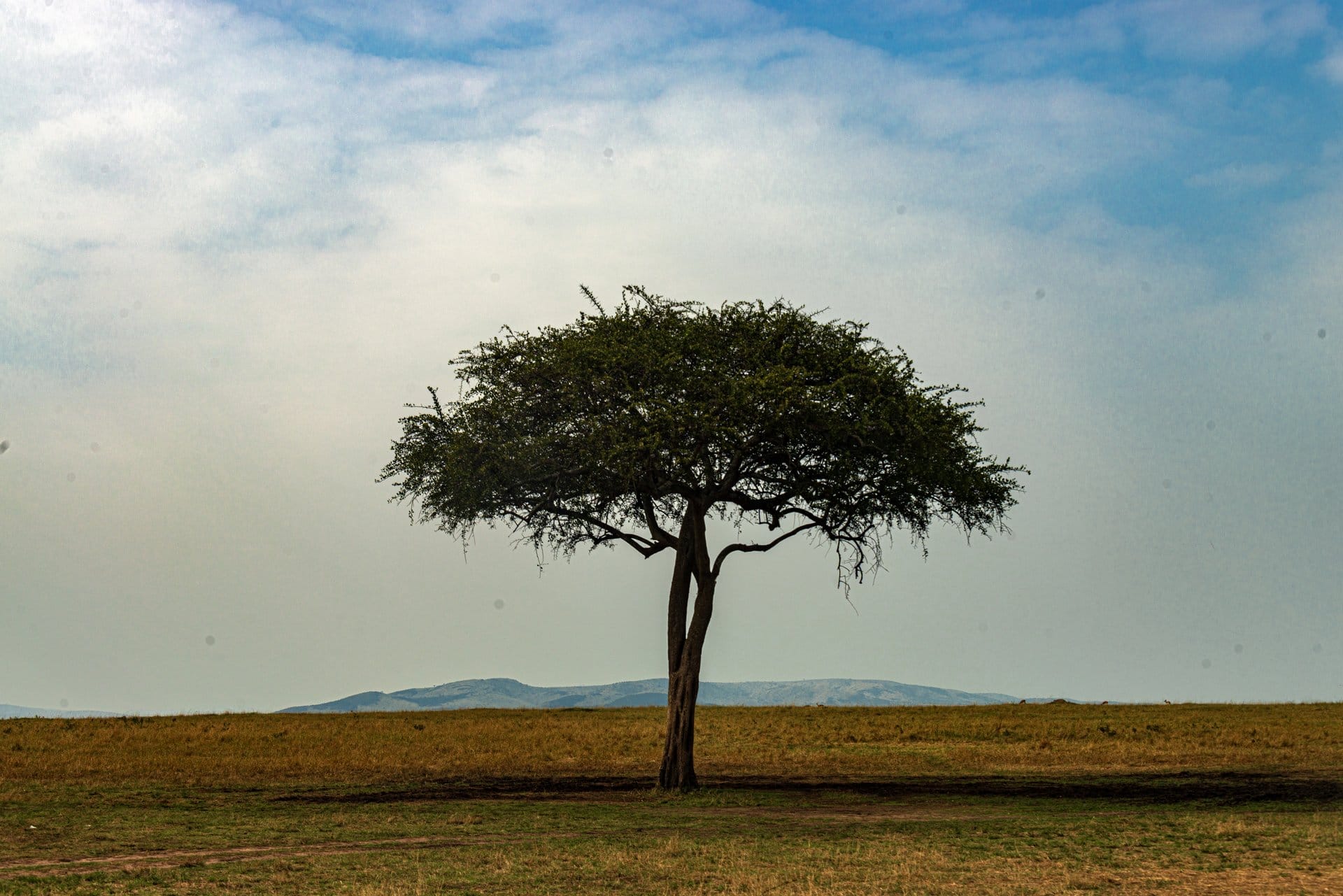
Sekenani is the main gate, and it has one enormous advantage: the road. Nairobi to Sekenani is tarmac the entire way now, about 270 kilometers, four to five hours door to door. You'll read old forum posts describing the Narok–Sekenani road as a bone-rattling nightmare. Those posts are outdated; the tarmac was finished, and the drive is now genuinely pleasant. You come over the rise and the plains open up below you and that's it, you've arrived, no hour of washboard road to close it out.
That road is why Sekenani suits first trips and families. If you get carsick, or you're trying to fit the Mara into a shorter Kenya itinerary with kids in the back seat, arriving rested instead of rattled is worth a lot.
Don't let the smooth road suggest this side is somehow tamer. The tarmac ends and the Mara simply carries on: giraffes and zebras walk through our property, birds run the soundtrack from first light, and in migration season we actually see more elephants around us than the rest of the year, pushed out this way as the reserve fills up.
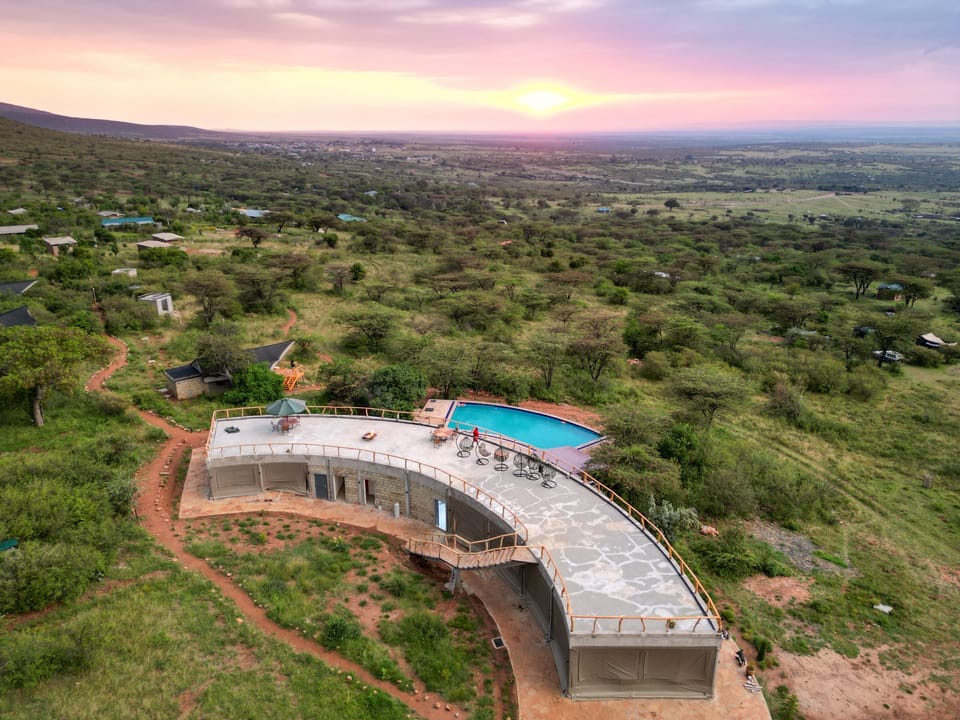
This is also where I should say it plainly: Mara Hilltop, my place, is here, about 2.5 kilometers from the gate. The tarmac carries you almost the whole way; the last few minutes are a dirt track turning off the road and climbing up the hill, which is the price of the view. So yes, I have a horse in this race. In our defense we didn't pick the location by accident: close enough to be at the gate in minutes, high enough that you're looking out over the plains instead of at the back of another camp.
The honest knock on Sekenani used to be the accommodation. For years the gate had plenty of very simple budget camps and not much in between, so people who wanted comfort defaulted to Talek or the reserve. That's changed: we opened in 2025, a few other proper places are coming up, and I'd now put this area on anyone's shortlist. Biased, yes, but the advantages are real.
And you have real choices near this gate now, not just us. Our neighbors at Oldarpoi Mara Camp, about four kilometers from the gate, are Maasai community-owned and put their profits into schools and libraries around the Mara. AA Lodge sits on thirty acres in the Siana conservancy, a ten-minute drive from the gate, with a pool and solid mid-range comfort. I'd happily point a friend at either. Even so, I think we kept the best views of the three; we did build on top of a hill for a reason.
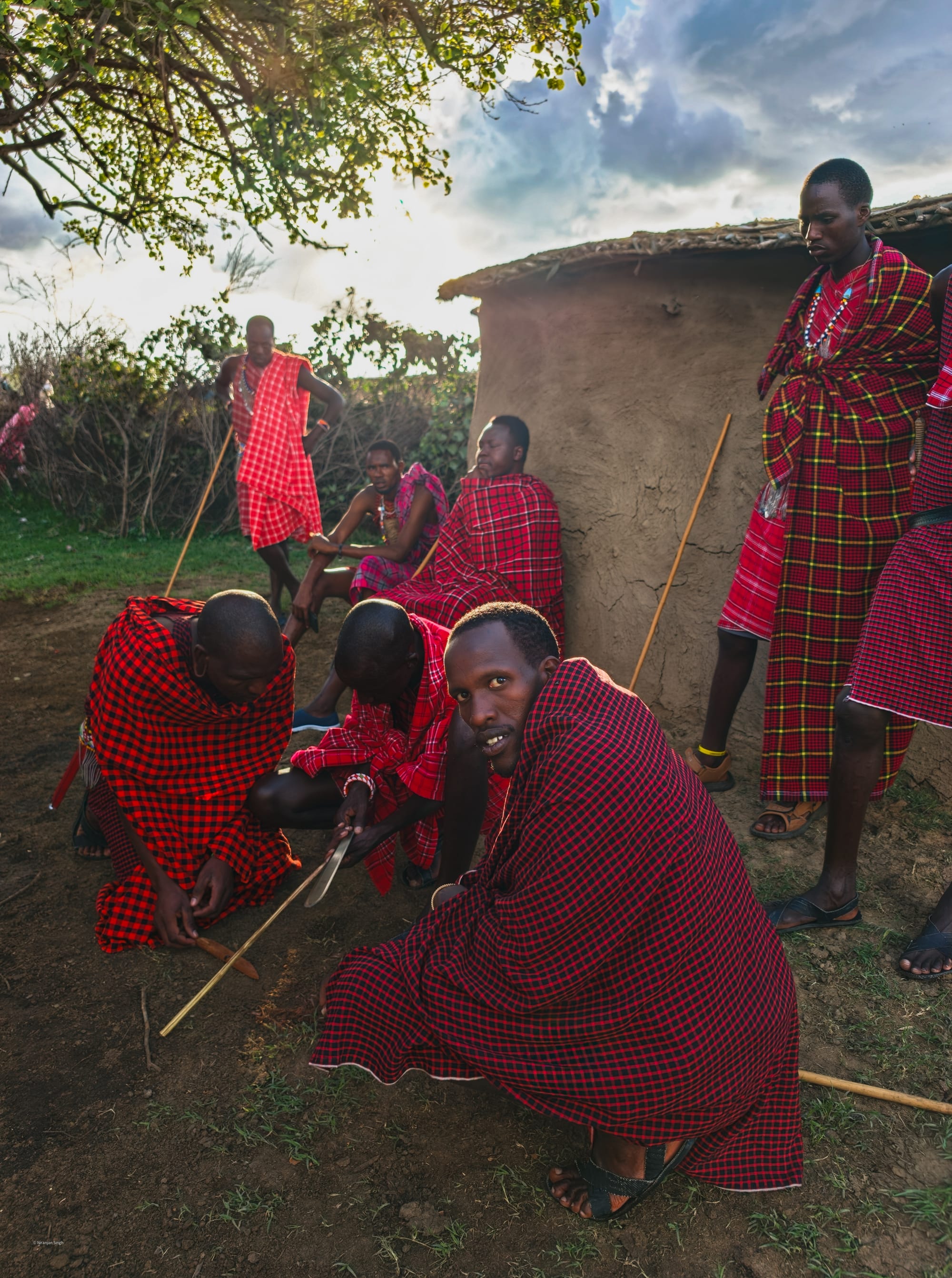
What you give up at Sekenani: you're on the eastern edge, so the Mara River and the classic crossing points are a full-day game drive with a packed lunch, deep into the reserve and back. In practice that's how almost everyone does the crossings from every gate on this list anyway. But if your one non-negotiable is sleeping as close as possible to the river, keep reading.
Talek: closest to the center, roughest to reach
Talek sits on the northern boundary where the Talek River meets the reserve, and its selling point is position. From Talek gate you get the quickest access to the central plains, which puts you closer to the heart of the reserve each morning than any other gate on this list. There's a whole strip of camps along the river, and some of the best-known names in the Mara are on it. Fig Tree Camp has been on its bend of the Talek since 1979 and launches hot-air balloons from its own grounds; Basecamp Maasai Mara, Maasai-owned and carbon-neutral, is the one that hosted Barack Obama in 2006, back when he was a senator. A bit further out, about ten kilometers from the gate, Zebra Plains sits under the Oldonyo Oloip ridge. Behind the river strip there's a small town with shops and fuel, which has its own scrappy charm.
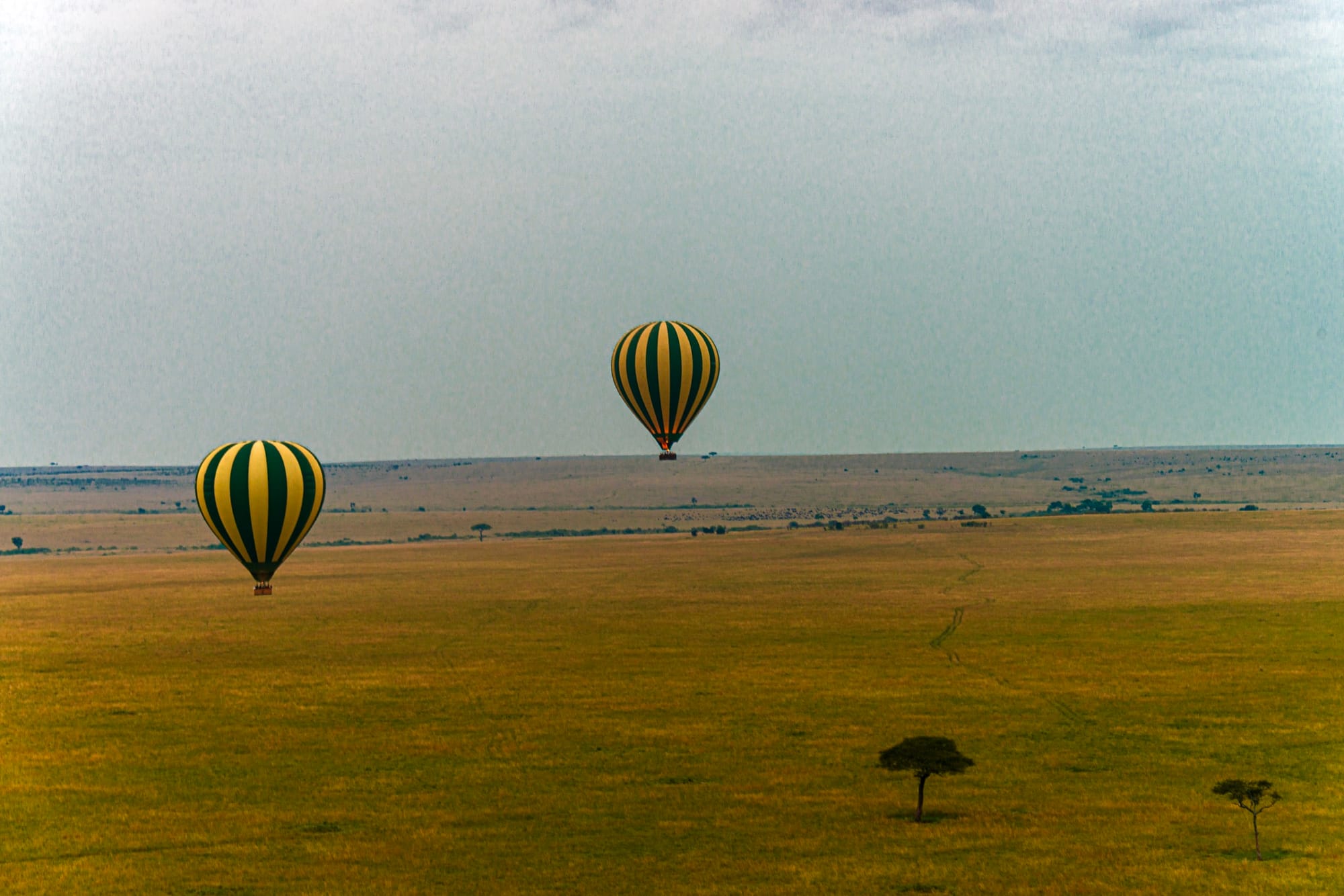
The cost is the road. The last stretch into Talek is dirt and murram, and after rain it gets interesting even in a Land Cruiser. Budget 5.5 to 6.5 hours from Nairobi, more in the wet season.
If someone tells me their entire reason for coming to Kenya is game drives, up before dawn and out until the light dies, I tell them to look at Talek and I mean it. For pure safari positioning it's the strongest base outside the reserve itself. I'd just want them to know what the last 90 minutes of the drive in looks like.
Oloolaimutia: the budget corner
Oloolaimutia gate sits in the hilly southeastern corner near Siana, on the same general side of the reserve as Sekenani but a rougher drive to get there. This is where the Mara's budget cluster lives — camps like Rhino Tourist Camp and Enchoro Wildlife Camp, where a night can run $60–90 instead of $600. The camps are simpler but many are genuinely nice, and the people running them have been hosting shoestring travelers for decades. The corner also has two established mid-range names that predate most of the budget camps. Mara Sopa Lodge, up on the Oloolaimutia Hills five minutes from the gate, was one of the first lodges built in the Mara ecosystem and still runs 99 rooms. And Sentrim Mara sits on 100 acres on the Ngama hills, about three kilometers in from Sekenani gate on the stretch between the two gates. Reputable brands both; the distance trade-off below applies to them the same as everyone else in this corner.
The trade-off is distance. Oloolaimutia is the farthest of the three from the Mara River side of the reserve, so your crossing-season game drives are longer, and you're further from the tarmac when it's time to leave. For a backpacker doing the Mara on a tight budget, that trade is usually worth it. If you've saved for two years for one shot at migration season, it might not be.
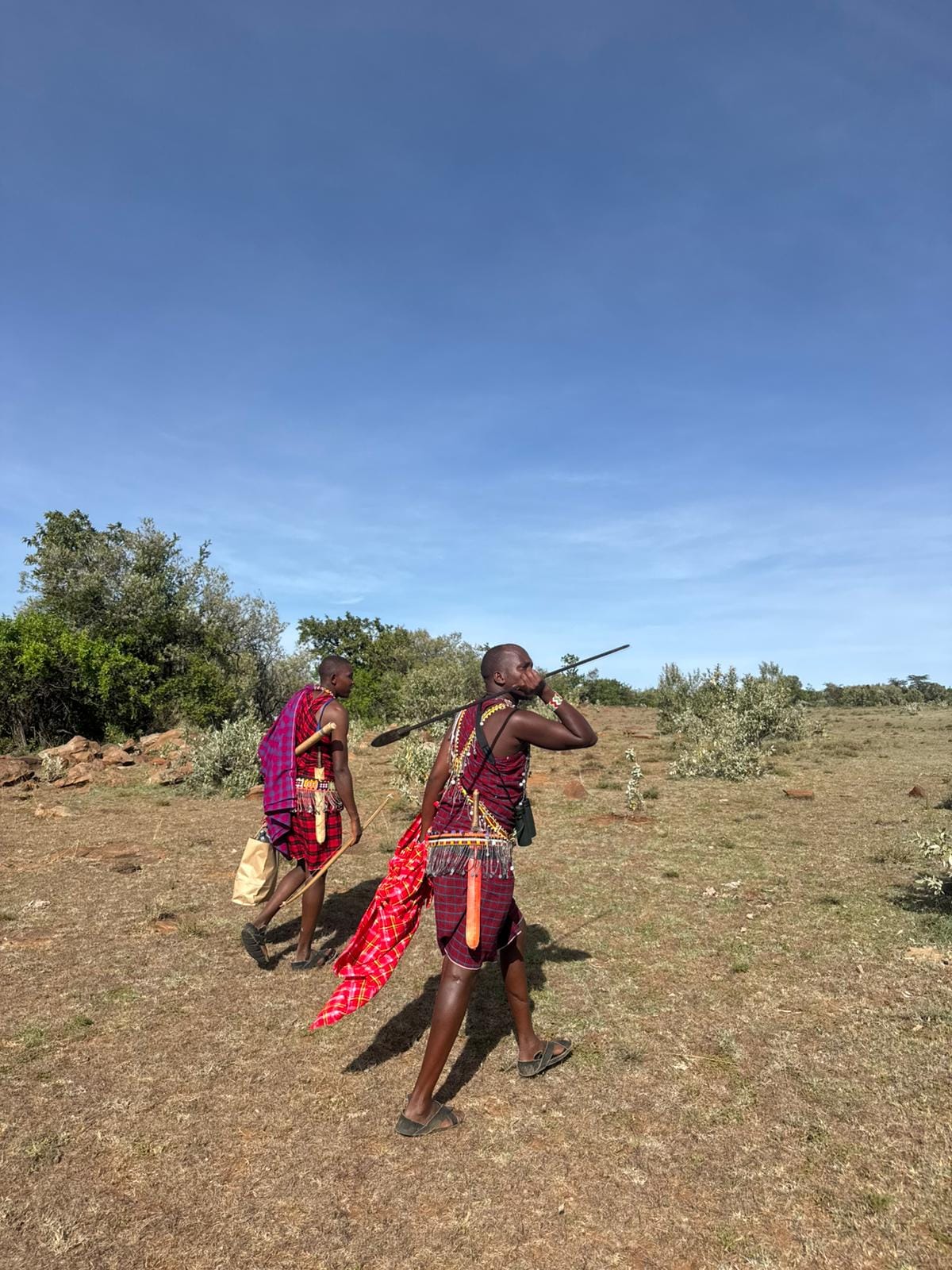
One side note from this corner of the map: our motorcycle trips to the Loita Hills start on this stretch, riding pillion behind a Maasai rider into valleys and villages most visitors never see.
Flying in instead of driving
Not everyone drives, and I should say so. There are daily flights from Nairobi's Wilson Airport to a string of airstrips around the reserve, about 45 minutes in the air, and the approach is an event in itself: you come in low over the plains and finally understand the scale of what you've been looking at on maps.
The airstrip matters the same way the gate does. Keekorok serves the Sekenani side; it sits inside the park, so you're often watching game from the window before the wheels touch, and it's where most of our own fly-in guests land. We pick them up at the strip, and there's no park fee for the transit out, unless you'd rather turn the drive to the lodge into your first game drive, which you can. Ol Kiombo and the Talek strip serve the central camps, and Musiara the west. Flying costs more than a road transfer and you'll still want a vehicle and guide once you're here; the transport guide has routes and prices for both.
What about staying inside the reserve?
There are lodges inside the park, and waking up with the reserve already around you is a real thing. No gate times, no drive to enter, animals outside breakfast. If you go this route, four I'd genuinely recommend. Keekorok is the Mara's first lodge, built in 1962 in the middle of the reserve, and Sarova Mara sits just inside the boundary near Sekenani gate. Ashnil Mara is the one for crossing season: it's on the Mara River right where the Olkeju joins it, about as close as you can sleep to the main crossing points. And if you want small instead of established, Olive Bush Camp is five tents on the riverbank, named after Olive, one of the Mara's most famous leopards. There's also a borderline case worth knowing about: Mara Simba Lodge stretches along the Talek River right on the reserve boundary, minutes from Sekenani gate, and usually costs noticeably less than the lodges deeper in.
It's also expensive in a way that compounds. The rooms themselves typically run $450–900 a night and climb even higher in migration season. Then the park fees: every day you're inside the reserve is another entry fee, $200 per person per day in the July–December season. A couple spending four nights inside is paying $1,600 in park fees alone before a single game drive. Sleep outside a gate instead, and you pay fees only on the days you actually enter — do two full-day drives out of four and that's $800, and the money you saved covers a lot of very good dinners.
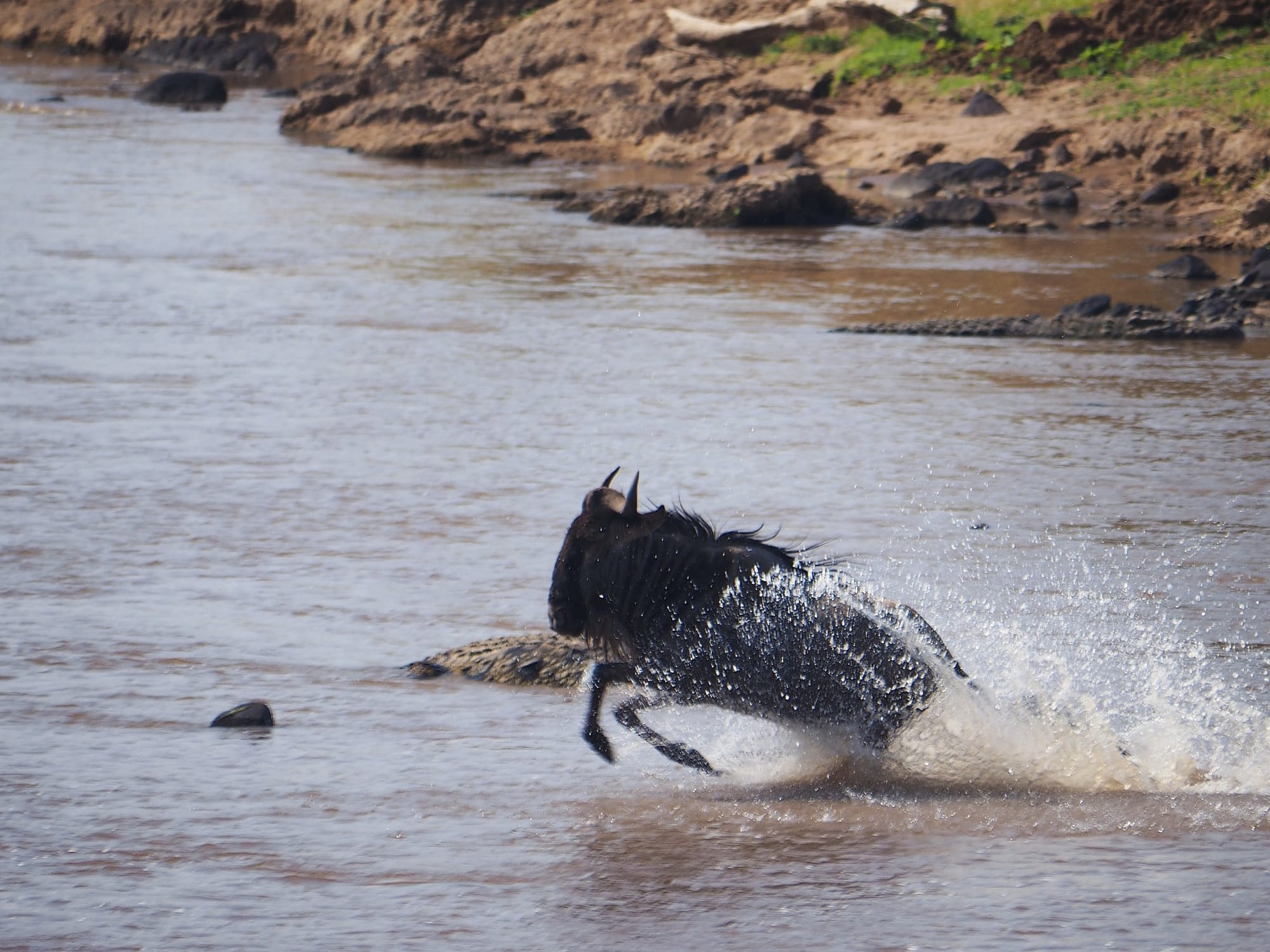
If the budget genuinely stretches to it, staying inside for a night or two during crossing season is lovely. I just wouldn't call it necessary, and that brings me to the point I most want to land.
"Outside the park" does not mean outside the Mara
This is the misconception I spend the most time undoing. People hear "the lodge is outside the reserve" and picture staying in some town, driving to nature each morning like it's a theme park.
It's not like that at all. The gate areas sit inside the same unfenced ecosystem, ringed by conservancies. From our hill it's Nashulai in front, Siana behind, Ripoi to the side. The animals move through all of it. Our night guard has taken to letting zebras through the gate after dark because they like sleeping near the buildings; last night there were zebras eating right outside my window. Guests hear hyenas from bed. And one group of guests saw four of the Big Five during their stay, everything except the leopard that refused to show. Five minutes after checking out and saying goodbye, they called me: a leopard had jumped across the road and nearly bumped into their car.
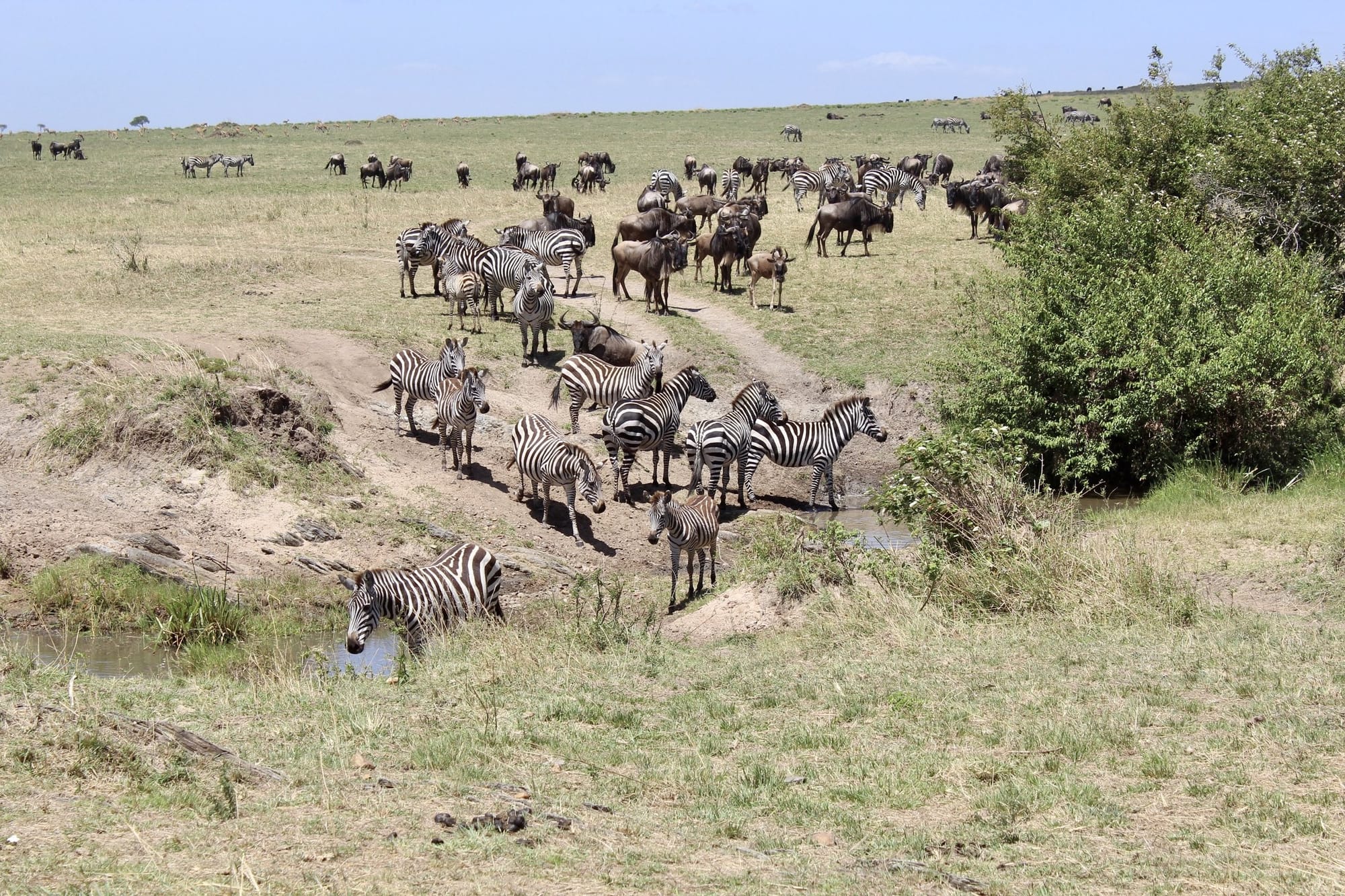
The conservancies also allow things the reserve legally doesn't: night drives, bush walks, activities off the vehicle. So a stay "outside" often ends up with a more varied week than a stay inside: reserve days for the big drives, conservancy days for everything the reserve won't let you do. I wrote a whole post on the inside-versus-outside question if you want the full argument.
One distinction worth knowing, because "conservancy" gets used for two very different things. The community conservancies around the gates, like the ones around us, are the affordable version: you stay at a normal lodge price and the land benefits are shared with the Maasai families who own it. The interior conservancies north and west of the reserve (Mara North, Naboisho, Olare Motorogi) are the premium version: exclusive camps, strict vehicle limits, all-inclusive rates that commonly start around $750 per person per night. They're not the same product, and first-timers regularly get confused by a "conservancy camp" quote that costs ten times what they expected.
So where should you stay?
My honest ranking, bias declared and priced in:
If it's your first safari, you want the trip to be easy, or you're bringing family, base yourself at Sekenani. The tarmac road decides it. If you're a safari obsessive who wants the shortest line to the central plains every morning and doesn't mind a rough arrival, go to Talek, genuinely. If budget is the whole game, it's Oloolaimutia, and spend the savings on an extra game drive. And if money isn't a constraint, add a night or two inside the reserve during crossing season on top of any of these, rather than instead of them.
Between Sekenani and Talek I don't think there's a wrong answer. Mine is Sekenani for obvious reasons, but I've sent plenty of people toward Talek and they came back happy. The one mistake I'd steer you away from is picking a lodge off a photo without checking which area it's in. That's how you end up two hours of dirt road from everything you came to see.
If you want help matching dates to areas, message us — we answer this stuff all day anyway. And for getting here, there's a full Nairobi-to-Mara transport guide covering everything from flights and private transfers to the bus-and-shared-taxi route.
A few common questions
What is the best area to stay in the Maasai Mara?
For most first-time visitors, Sekenani: it's the main gate, the only one with tarmac all the way from Nairobi, and it now has stays at every budget. Talek suits safari-focused travelers who want the quickest access to the central plains. Oloolaimutia is the budget corner.
What is the 12-hour rule in the Maasai Mara?
Since July 2023, a reserve entry ticket is valid for 12 hours within the 6 a.m.–6 p.m. gate day. Stay overnight inside the reserve and each day is a new fee. Stay outside and one ticket covers a full day's game drive.
Is it better to stay inside or outside the reserve?
Outside, for most people. Same ecosystem, same animals around you, park fees only on days you enter, and the conservancies allow night drives and walks that the reserve doesn't. Inside wins if budget is no object and you want to wake up next to the crossing points in migration season. The full argument is in our inside vs outside guide.
Should I drive or fly from Nairobi?
Driving to Sekenani is 4–5 hours on tarmac and the cheapest comfortable way in. Flying from Wilson Airport takes about 45 minutes to airstrips around the reserve (Keekorok for the Sekenani side, Ol Kiombo and Talek for the central camps) and the view of the plains on approach is worth something in itself. Fly if time is tight and the budget allows; drive if you're watching costs or want to see the countryside.
Which gate is best to enter the Maasai Mara?
Sekenani is the main gate and the only one with tarmac all the way from Nairobi. Talek gives the quickest access to the central plains. The right gate is usually just the one nearest your lodge: enter where you sleep.
How many days do you need in the Maasai Mara?
Three nights is the sweet spot for a first visit: arrive, two full days of drives, leave. During migration season, more days meaningfully raise your odds of catching a river crossing, since crossings can't be scheduled.
— NJ, co-owner of Mara Hilltop. Building agentic AI workflows at simbastack.com