What to expect on your first safari: the bush toilet, the mud and the drivers' bro code
I started and run Mara Hilltop, a lodge just outside Sekenani Gate in the Maasai Mara, and these are the things I want first-time safari people to know before their first game drive.
The short version:
- You'll see a lot, but not every minute.
- Go in early, because the cats are active, and pack for the cold.
- A full-day safari doesn't mean sitting in the car all day.
- If there's no toilet nearby you use the bush, and you should try it once.
- The cars are tough, not luxury, so expect bumps, creaks, mud and the odd puncture.
- There will be crowds at some sightings, and your driver can take you away from them.
- You might see a kill.
- Don't treat it like a Big Five game.
- It's not as hot as people think, but it's dusty when the car moves.
- Tip the driver what you feel is right. There's no hard rule.
Don't expect animals all the time
This is one of the big ones. The Maasai Mara has an incredible density of animals, there are animals everywhere, you will never be disappointed and there's so much to see. But you will still sometimes spend 45 minutes, an hour, sometimes an hour and a half not seeing much. Maybe just a couple of baboons or some impalas or something. That is literally what wildlife is. Sometimes you see everything within the first two hours, sometimes it takes the whole day, sometimes it takes two days.
But either way, the one thing that we do guarantee is the Maasai Mara never disappoints, and it is always incredible, no matter what the thing is.
I'm just setting the expectation that that's how safari is in general, no matter what. In fact, if you go to a place like the Serengeti, which is similar to the Maasai Mara but a lot bigger (Serengeti National Park is 14,763 km², the Maasai Mara National Reserve is 1,510 km²), you might often go for hours without seeing much, because the density of animals is less and they're more spread apart.
So that's what happens. That's part of the thrill, and that's why it's called the game, right? The game drive.
Go in early, and pack for the cold
Going in early in the morning, the cats are more active, especially the lions. They love to lie down and sleep once the sun starts going up, by like 10am or something. Again, it's not exact, but that's usually what I've seen. So the sooner you go, the better.
Sometimes our guests leave at 5:45am, they get to the gate by 5:55, and they're inside the park as one of the first cars in. So that's always exciting.
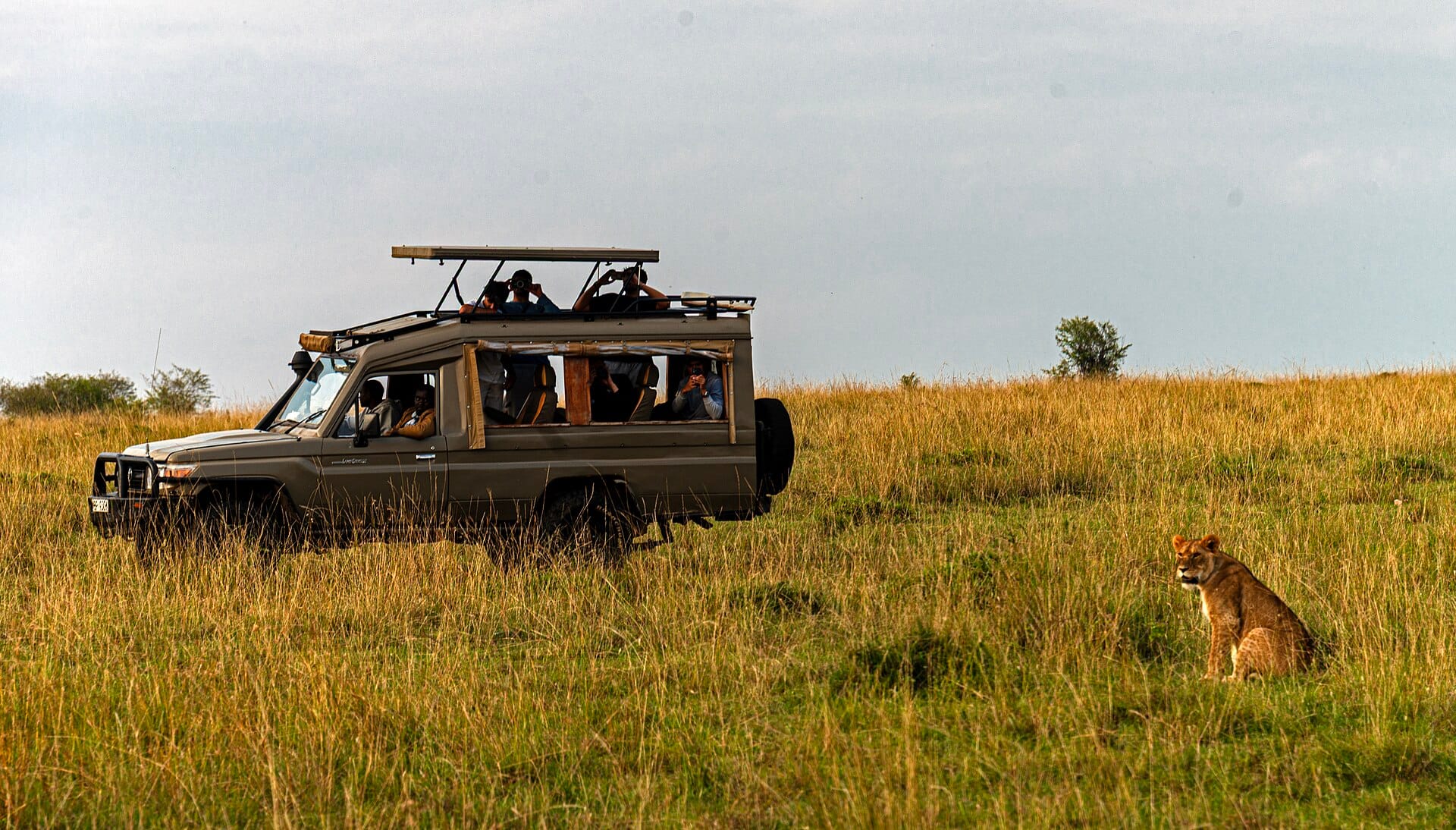
But it is cold, so you better pack for the first two, three hours. In the open car it does get cold and windy.
A full day isn't a full day in the car
Doing a full-day safari does not mean you're sitting in the car all day. There are a bunch of times you'll be getting out of the car, relaxing, having breakfast, and lunch as a picnic under a tree, which is amazing. There's a Mara River walk as well, which takes about 45 minutes, accompanied by a ranger, which is really cool.
Toilet breaks, and why you should try the bush once
There are toilet breaks as well. But if you're quite far from the toilet, you can use the bush, and that's also something you should experience. I would say, in fact I would encourage it: you should experience going in the bush, sharing the bushes with the animals, once in your life.
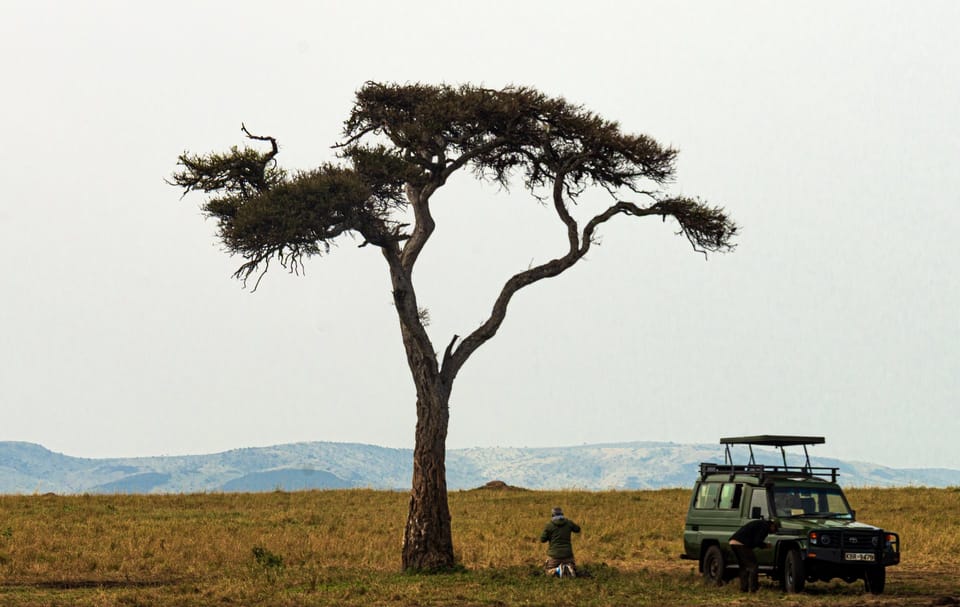
Of course, it's very safe. The drivers and the guides make sure the bush is clear and there's nothing around, and that's when they ask you to hop off the car. It's a really fun experience as well.
The car is tough, not luxury
The bumpiness as well, and not just the roads. The cars are maintained after every trip, and there's work going on with every car. But you have to expect that the cars are not extremely luxury, like a Mercedes or something. You will be sitting in a rough and tough car, which is meant for the rough and tough roads, and so it will be a bit bumpy and it'll be slightly creaky and stuff. But that's part of the experience of the safari, is what I would say.
Your car might get stuck, and that's fine
You should expect that sometimes your car, especially if it's rainy, will get stuck in the mud and be rescued by someone else. Or sometimes you get punctures, because again, it's rough terrain, it's nature. So no matter how good the car is, you can expect some issues sometimes, but those are all just expected things.
Getting stuck in the mud is usually the rainy months, March and April, and also October and November. And who pulls you out is anyone that's passing by. All the drivers are helpful to each other, because they all know they can get stuck at some point. So anyone that passes by, when they see a car is stuck, they come over to rescue you. That's part of the bro code inside the park.
And honestly, when I've been stuck in those situations, it's been really fun. You get out of the car, you're chilling, and it's slightly different from just sitting in the car. So yeah, that's also part of the experience.
There will be crowds at some sightings
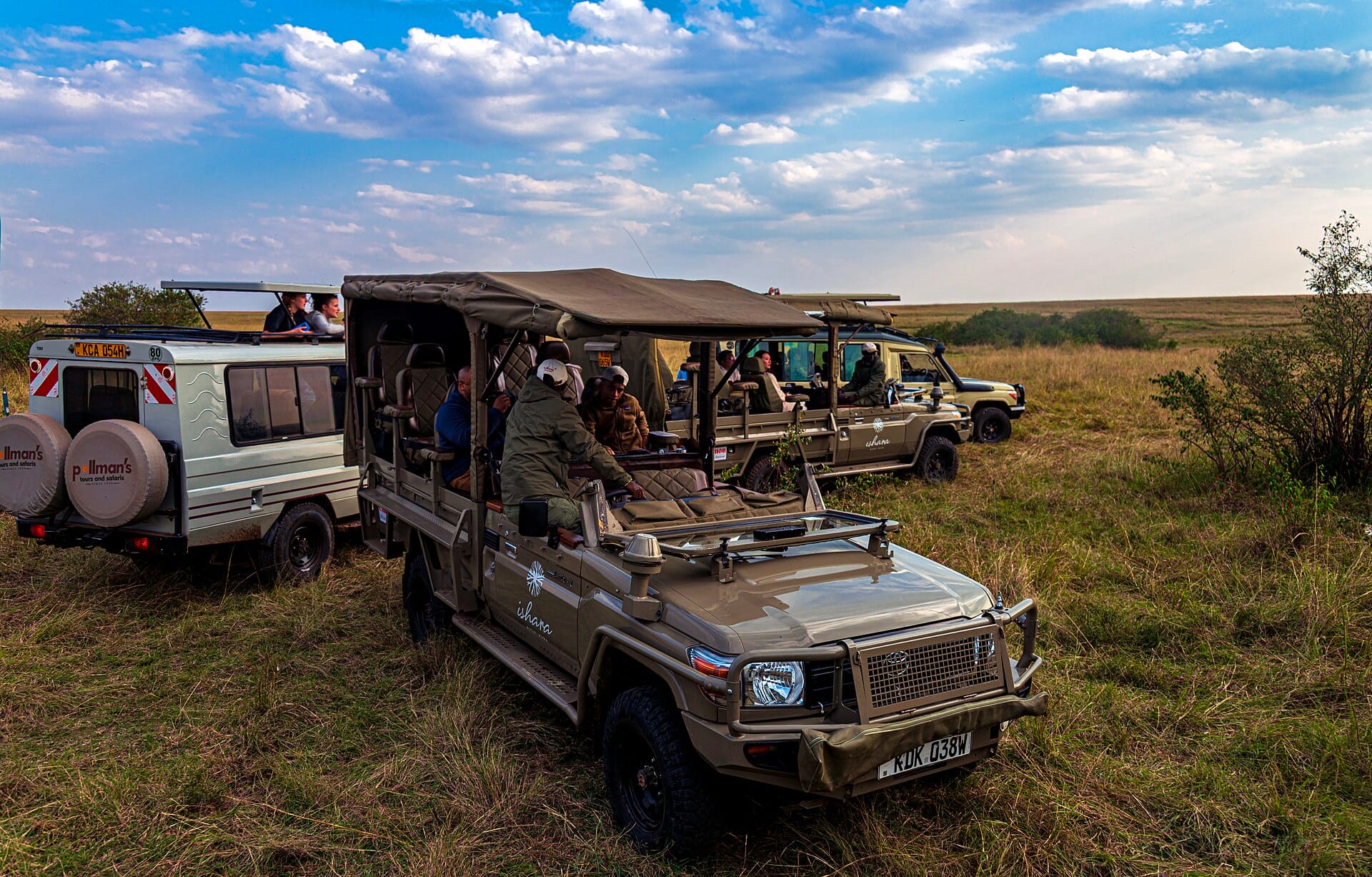
Yes, there will be crowds at sightings, especially during the high season of July and August, the migration season. The other months there will be cars, but not as many. Sometimes around a leopard, which everyone is looking for, if that gets spotted, yes, there could still be a crowd of cars.
But usually you can also communicate with your driver if you're looking for a more private experience. You can just tell the driver, let's not go to the places where the cars are, let's find our own animals in a different section. And that's very possible as well.
You might see a kill
I've seen many people who are very scared of seeing a carcass or a kill. You have to honestly just prepare, and tell your kids that that's part of life, the circle of life, and there's nothing to be afraid of. That's how the animals eat and survive, just how us humans eat food. And yeah, if you don't want to get too close, you can stay at a distance as well.
Don't treat it like a Big Five game
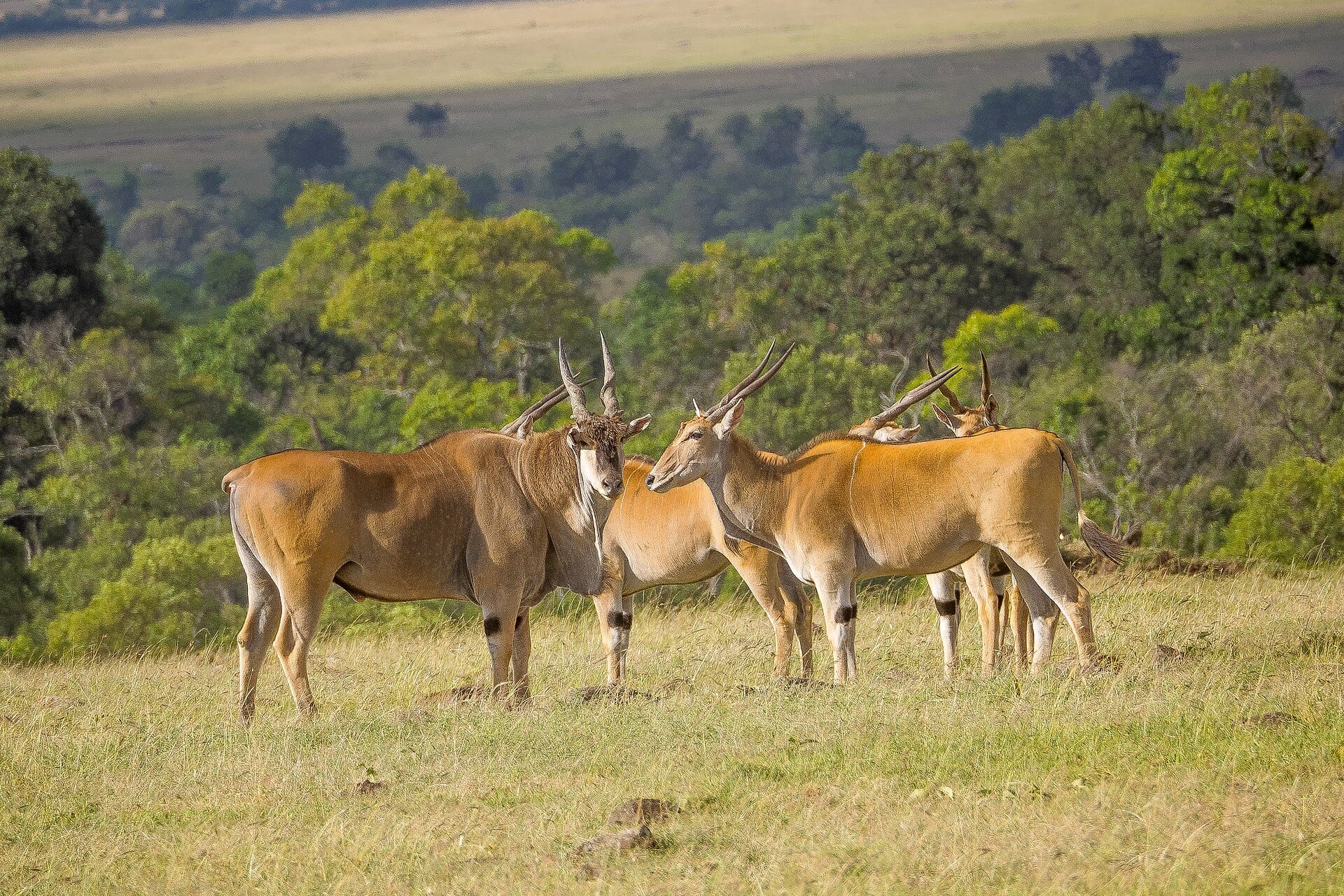
It's not always the Big Five which is exciting. There are so many other animals which are so interesting. I would say don't treat it like a Big Five game, and look out for things that are unique, which are exciting. Things like a porcupine or a white-tailed mongoose, or even hippos, and some interesting antelopes like eland, which are not part of the Big Five but are still very cool to check out, especially from up close.
Not as hot as you'd think, and dusty when you move
The Maasai Mara is not as warm as people think coming to Africa. It's not going to be crazy hot during the day. If you're not standing in the sun, it's actually pretty cool when the wind comes, even in the middle of the day, because it's at a height (1,500 to 2,180 metres).
It could be a little dusty when the car is moving, so maybe get a mask if you have a bit of an allergy to dust.
Tipping the driver
Tipping the driver, I would say, is not a very big must, but usually the drivers do expect maybe $20 to $30 in tip. Sometimes more if you're happy, sometimes less if the guests are not happy. The drivers have seen everything, many times $100 plus as well if the guests are really happy. So there's no hard rule. Whatever you feel is good.
And usually what I recommend is to tip at the end of your trip, if it's a two or a three-day safari.
If you have questions before your first safari, text me on WhatsApp.
— NJ, Mara Hilltop