Fly or drive to the Maasai Mara? Costs and routes in 2026
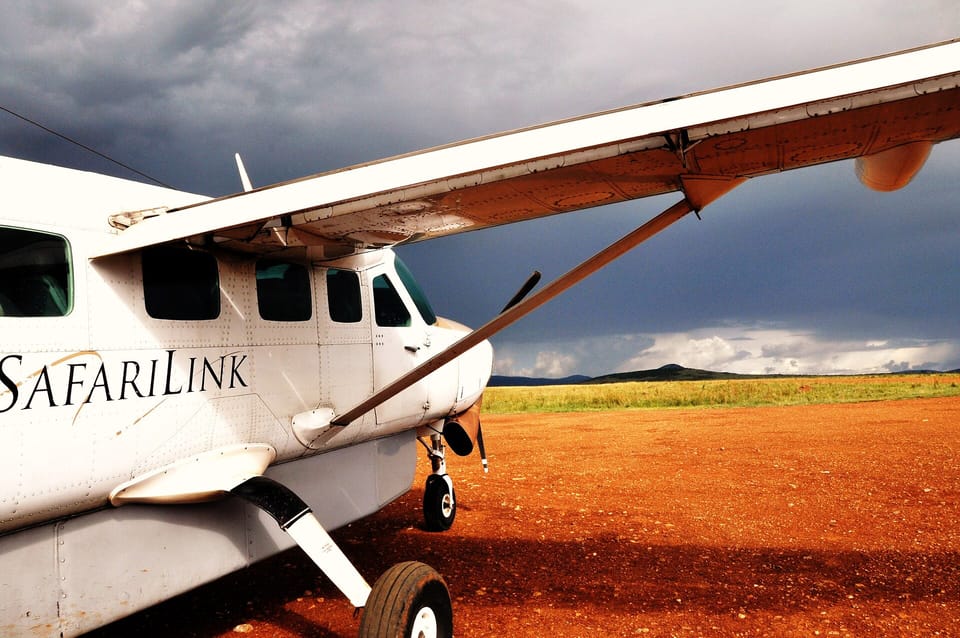
People often ask me whether they should fly or drive to the Maasai Mara. To be honest, my ideal take would be that you fly one way and drive the other way. Why? Because both of them are actually quite unique, and doing the car one way also lets you stop in Naivasha on the way.
| Fly | Drive | |
|---|---|---|
| Time | About an hour from Wilson Airport in Nairobi to Keekorok airstrip, then about 45 minutes through the reserve to us | 4.5 to 5 hours for 270 km |
| Cost | Safarilink's published 2026 fare is $260 one way or $425 return per person, plus about $13 tax per flight. Our airstrip pickup is $90 each way | Our private transfer is $250 one way or $460 round trip for the whole vehicle (up to six people). Or rent a car in Nairobi and drive yourself |
| Luggage | 15 kg per person in a soft bag, hand luggage included | Whatever fits in the car |
| What you see | Animals from the air, and a mini safari on the drive out of the reserve | The Ngong Hills or the Rift Valley, Narok town, and the Maasai villages on the last stretch |
| Best for | Solo travellers | Families and groups, and anyone who wants to stop in Naivasha |
Flying
Flying, obviously, will be a bit more expensive, especially depending on the size of your group. If you're solo, I think flying makes more sense. It saves time, and it's almost a similar price to renting a private car just for yourself (about $300 to $350 one way once you add the tax and our $90 pickup, against $250 for our car). Safarilink's published fare is $260 one way, but if you book well in advance I think you can get a ticket for $200 to $250 per person as well, it depends on the season. For a family or a group, driving works out cheaper, because our transfer is priced per vehicle and the flight is priced per seat (kids from 2 to 11 fly at 75% of the adult fare on Safarilink).
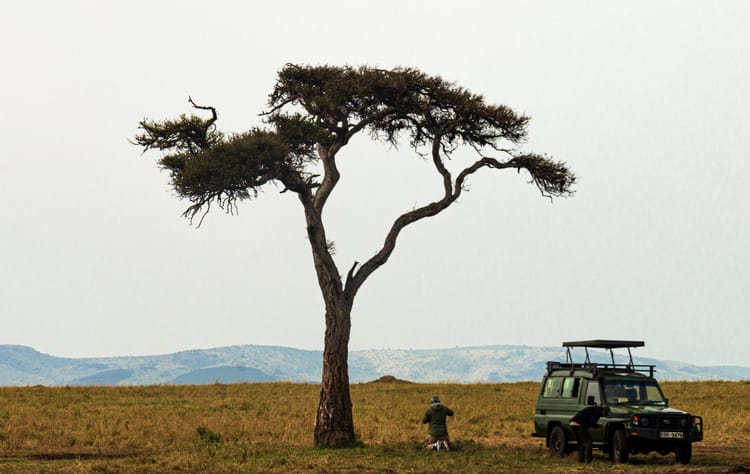
The flight lands at Keekorok airstrip, which is in the heart of the Maasai Mara with all the animals around. Oftentimes you can see them when the plane is flying low. And when we pick you up from the airstrip, it's about 45 minutes through the national reserve to the exit at Sekenani Gate, so you get sort of a mini safari drive as well, because you see animals along the way, which is quite cool. It's often the first time people are seeing zebras and giraffes and elephants. Sometimes, if you're lucky, you get to see lions as well.
Watch our Keekorok airstrip pickup on Instagram
And just to mention, if instead of the pickup you want to start a full day or half day safari straight from Keekorok, we don't charge for the pickup. It's included in your safari car price.
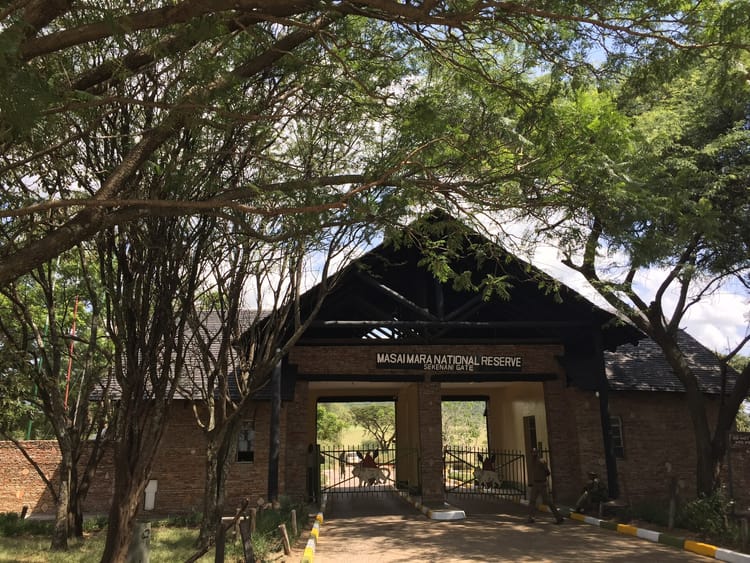
One important thing people get confused about: if you're flying into Keekorok but you don't want to do a safari that day, you can head straight for the exit and you don't have to pay the park entry fee for that day. That saves a lot of money, since the fee for non-resident adults is $100 a day from January to June and $200 from July to December (more in our park fees post). People think that if you fly into Keekorok you have to pay the park fee, but that's not true if you're exiting straight to the hotel. The driver handles it, usually there's a transit slip we get, and you just chill, there's nothing to do. This works because we're outside the reserve, 2.5 km from Sekenani Gate. If you're staying at a camp inside the reserve, you pay park fees every day.
The flights leave from Wilson Airport, not JKIA where international flights land. Safarilink and AirKenya each fly to the Mara three times a day, and the last Safarilink flight leaves Wilson at 2:15 pm and lands in the Mara around 3:15 pm. So if your international flight arrives in Nairobi in the late afternoon or evening, I think it's better you stay over in Nairobi (here's where I'd stay) and come over the next morning. The morning flights are pretty good, and you can start your full day safari on the same day as well. The planes hop between airstrips, so Keekorok isn't always the first stop, and Safarilink asks you to call between 4 and 6 pm the day before for the exact time.
Driving
Driving is not bad as well. There are two routes now.
One is the older route down the escarpment through Mai Mahiu, which has the Rift Valley viewpoint, and that's quite nice. The issue is the traffic. Heavy trucks and buses take the same road down the escarpment, and every so often one of them breaks down and you're stuck there for hours.
The other option is the Ngong road, which is the much newer road (the Ngong to Suswa stretch was fully opened in April 2026). There's no Rift Valley viewpoint on that one, but it's a beautiful drive on its own. It goes through the Ngong Hills and connects into Suswa, and then heads straight to Narok. It takes about the same time, but there's usually much less traffic and you can move a lot faster. So if you're not particularly set on the viewpoint, this is the route we recommend.
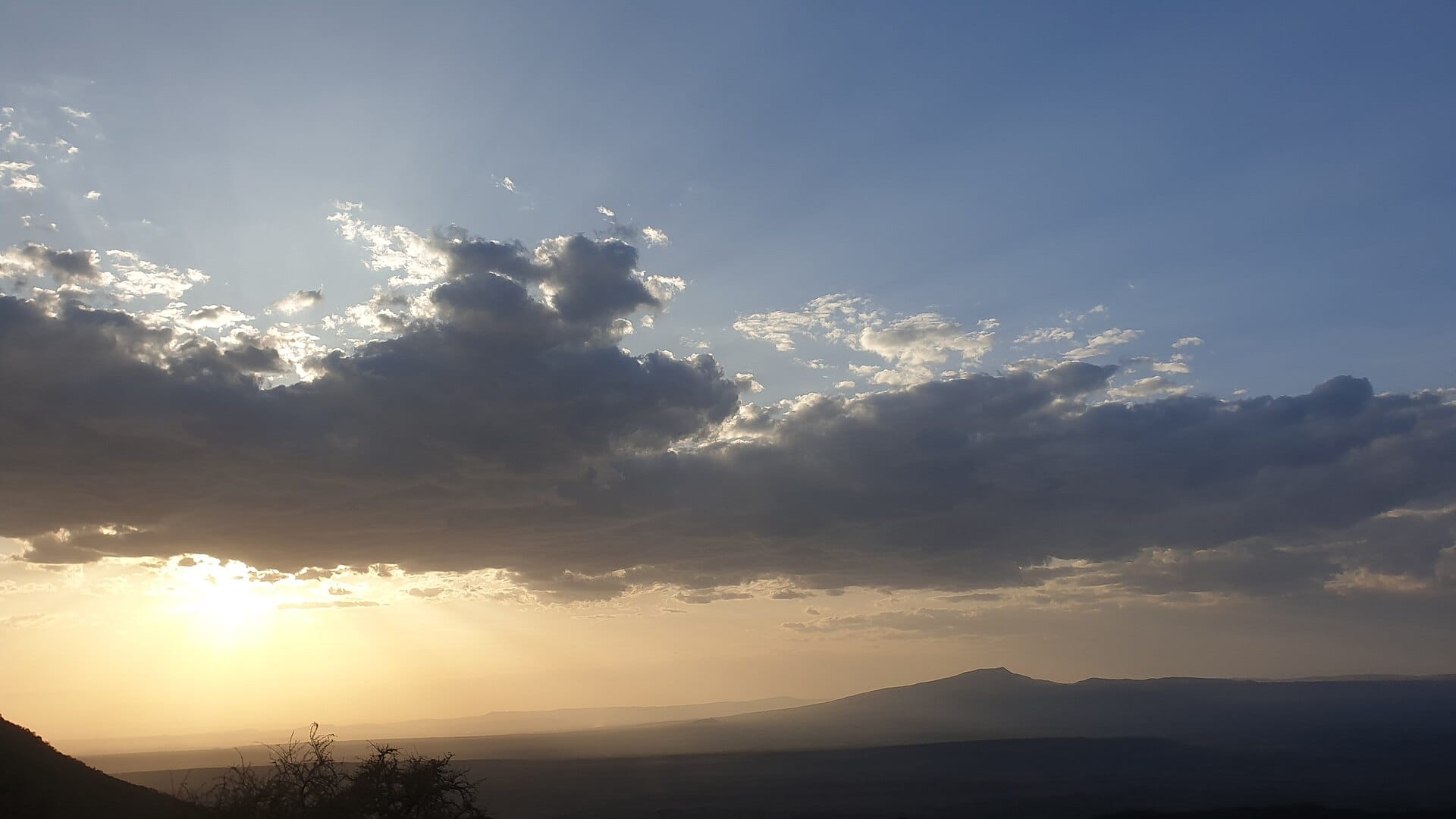
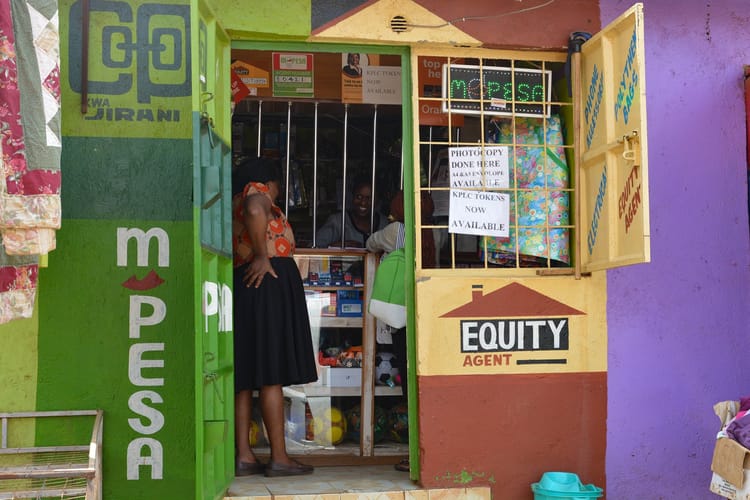
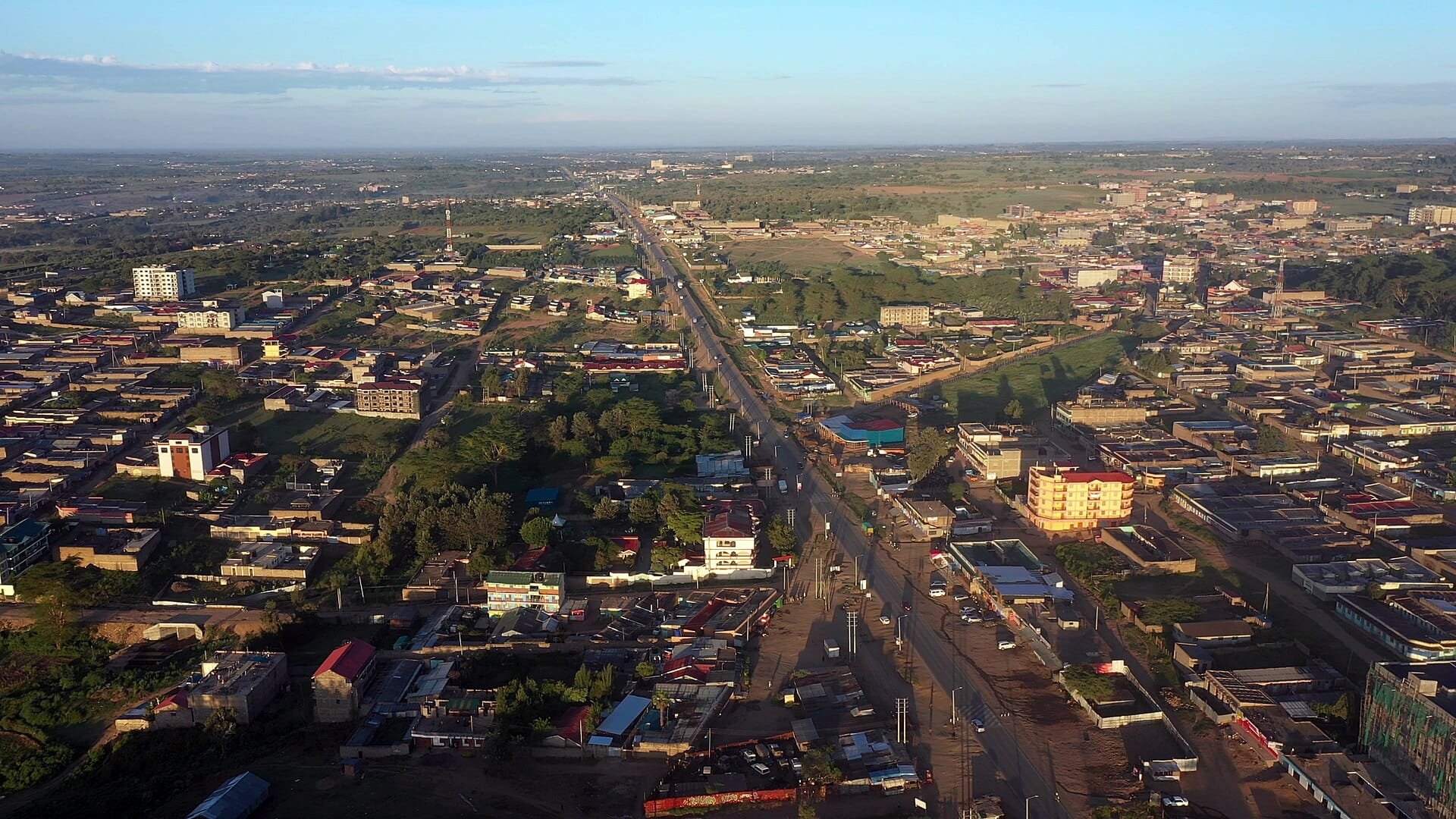
Both routes meet at Suswa, and from there you get a lunch break or a coffee break at Narok town, which has a few different restaurants, fast food places and supermarkets. It's also the last proper town before the Mara, so it's the place to get cash and fuel.
Then you head into the final stretch towards the Maasai Mara, which is a beautiful scenic drive and takes you to a different world completely. That's where you start seeing the classic Maasai homesteads, the small villages and the cattle and stuff. It's very nice as you start approaching, and the excitement increases as you're heading towards the Mara.
How are the roads?
People often ask me how the roads are, and whether it's even drivable, but they'll be surprised. It's 270 km from Nairobi to Mara Hilltop (I've measured it), and it's tarmac pretty much the whole way, except the last one kilometre, which is a little bit of dirt road coming up the hill to Mara Hilltop. So you don't have to worry.
Self-driving is also a good option, you can take a rental from Nairobi. If you want to go on game drives in your own car, private vehicles are only allowed in the Mara Triangle, not the main reserve, and our self-drive post has the details. And if you'd rather take the bus, the transport guide covers that.
Stop in Naivasha on the way
Another reason I say take the car one way is Naivasha, which I really highly recommend. It's an amazing place, beautiful scenery with the lakes and the animals walking around, and it's very different from Amboseli and the Maasai Mara, which is what tourists are used to. So Naivasha is a must-visit according to me, and it's kind of on the way from Nairobi to the Maasai Mara. So on one of your ways, when you're taking a car, I would recommend a stopover in Naivasha for a night and then come to the Mara, or do the same the other way around.
If you do the flight both ways, that's fine as well, it just doesn't give you the opportunity to stop by Naivasha on the way, so you'll have to head to Naivasha separately from Nairobi, which is also an option.
— NJ