Beyond the Game Drive: Why the Maasai Mara Deserves More Than 2 Days
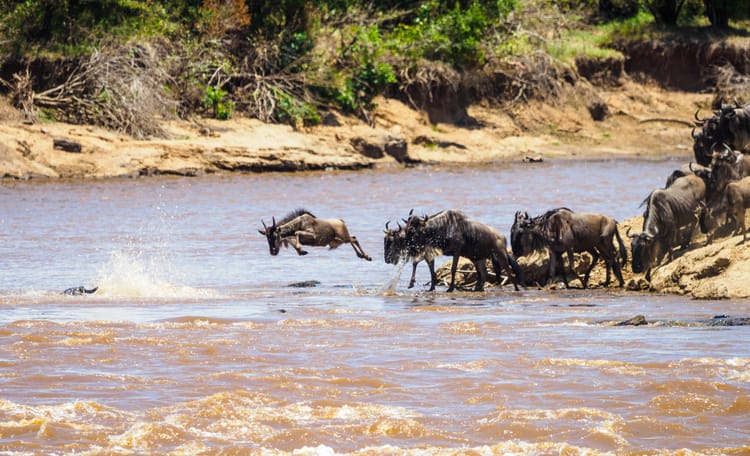
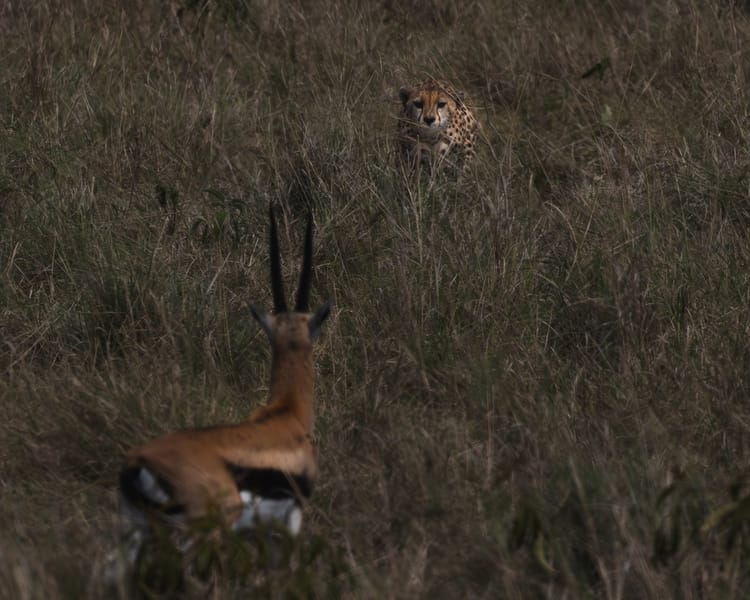
The Maasai Mara is famous for what you see from a vehicle: the Big Five, the Great Migration, the golden-hour cheetah photos. All of it is real. I've watched a leopard carry an impala up a tree at dawn, and my hands were shaking too hard to hold the binoculars still.
But after a couple of years of long stretches here, I've come to think the wildlife is only half the story. The other half is the Maasai: their culture, their community, the way they live. It's the part that turned a place I visited into a place I call home, and it's the part most visitors never see.
The two-day trap
Here's what happens to most people who visit. They fly or drive in from Nairobi, check into their lodge, do a morning game drive, an afternoon game drive, maybe one more the next morning, and leave. Two days, maybe three, all of it inside a safari vehicle looking for animals.
I'm not knocking it; the game drives are spectacular and you should do them. But it's a bit like visiting Paris and only going to the Louvre. You'd get something out of it. You'd also miss the place itself, and in the Mara the place is the people who've lived alongside that wildlife for centuries.
Sitting with the beadmakers
The first time I understood what I'd been missing, I was sitting on the ground with a group of Maasai women, learning to make beads. I say learning generously. These women have been doing it since childhood, and their fingers move so fast it looks effortless. The patterns aren't random, either: the colours and arrangements encode marital status, age group, social standing, clan.
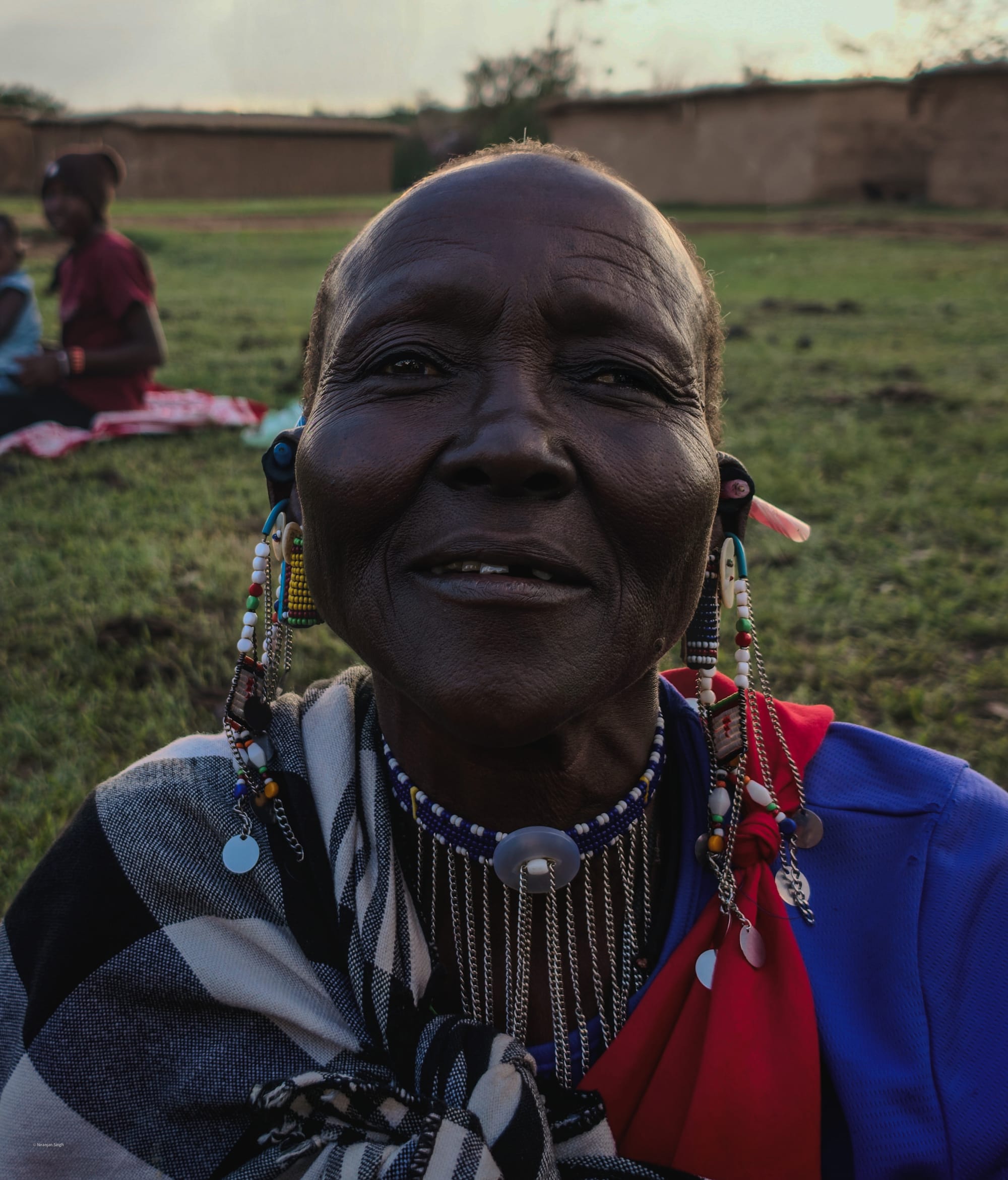
They were endlessly patient with me, and there was a lot of laughing at my attempts, all of it deserved. What stuck with me even more than the craft was the atmosphere: women working and teasing each other, kids running around, nobody in a hurry. I went home that day thinking of the Mara as a community rather than a destination.
The roads nobody takes
If the beadwork opened a door, the motorcycle opened the rest of them. I started riding deeper into Maasai land, past the lodges and the conservancies, into areas where a visiting outsider is genuinely unusual. The roads get rough and the landscape gets bigger.
The kids hear the bike from a distance and run out to meet you, not selling anything, just curious. The adults come out too, and they invite you in. Tea, conversation, questions about where you're from. I've met welcoming people in a lot of countries, but Maasai hospitality is different in a way that's hard to overstate: in all those visits, nobody has asked me for anything. They're glad you came, and they want you to sit down and stay a while.
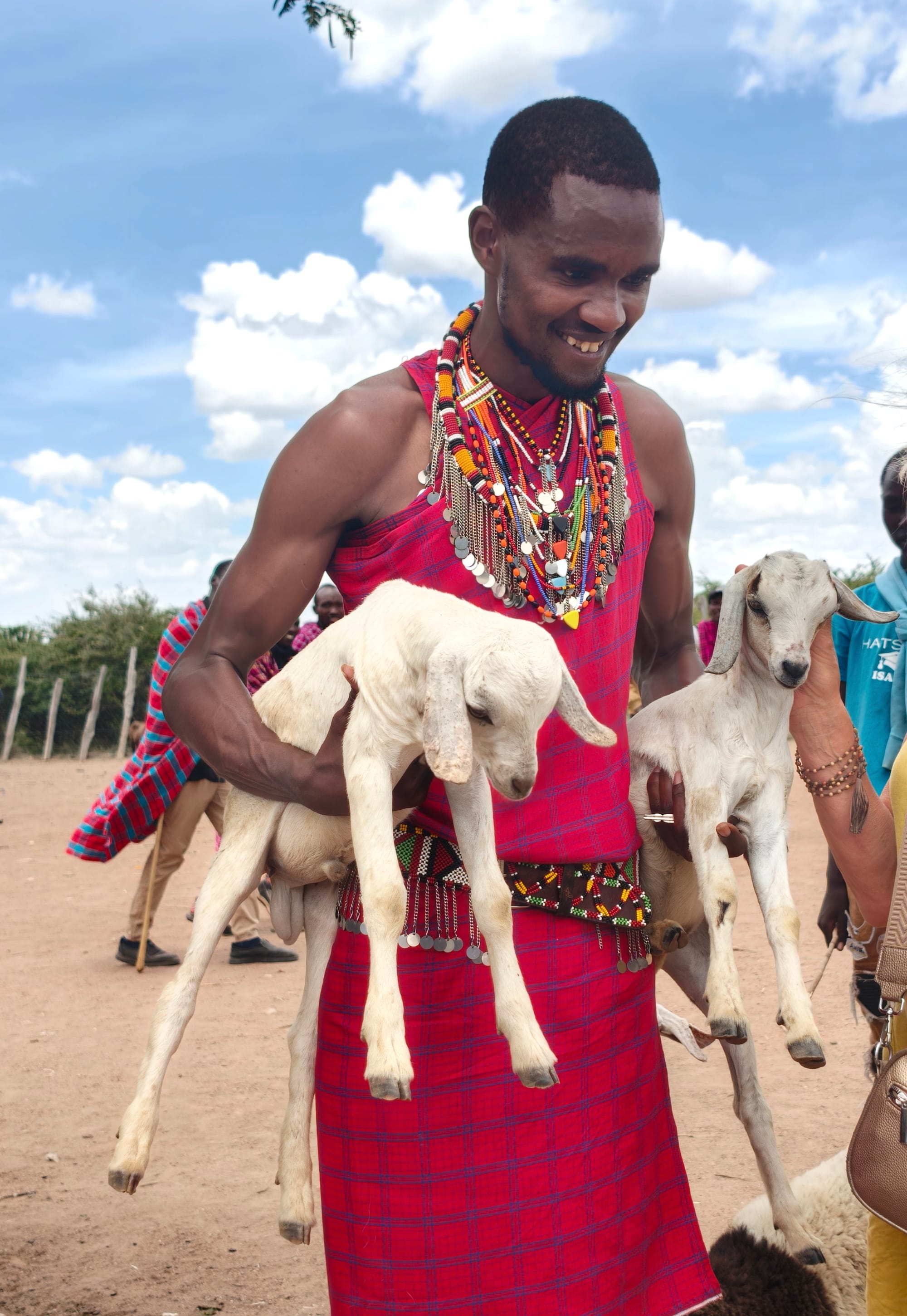
Those rides are some of the best travel I've done anywhere, and there's no itinerary to them. You ride until you find something or someone interesting, which happens about every few minutes.
Sophisticated in ways we don't expect
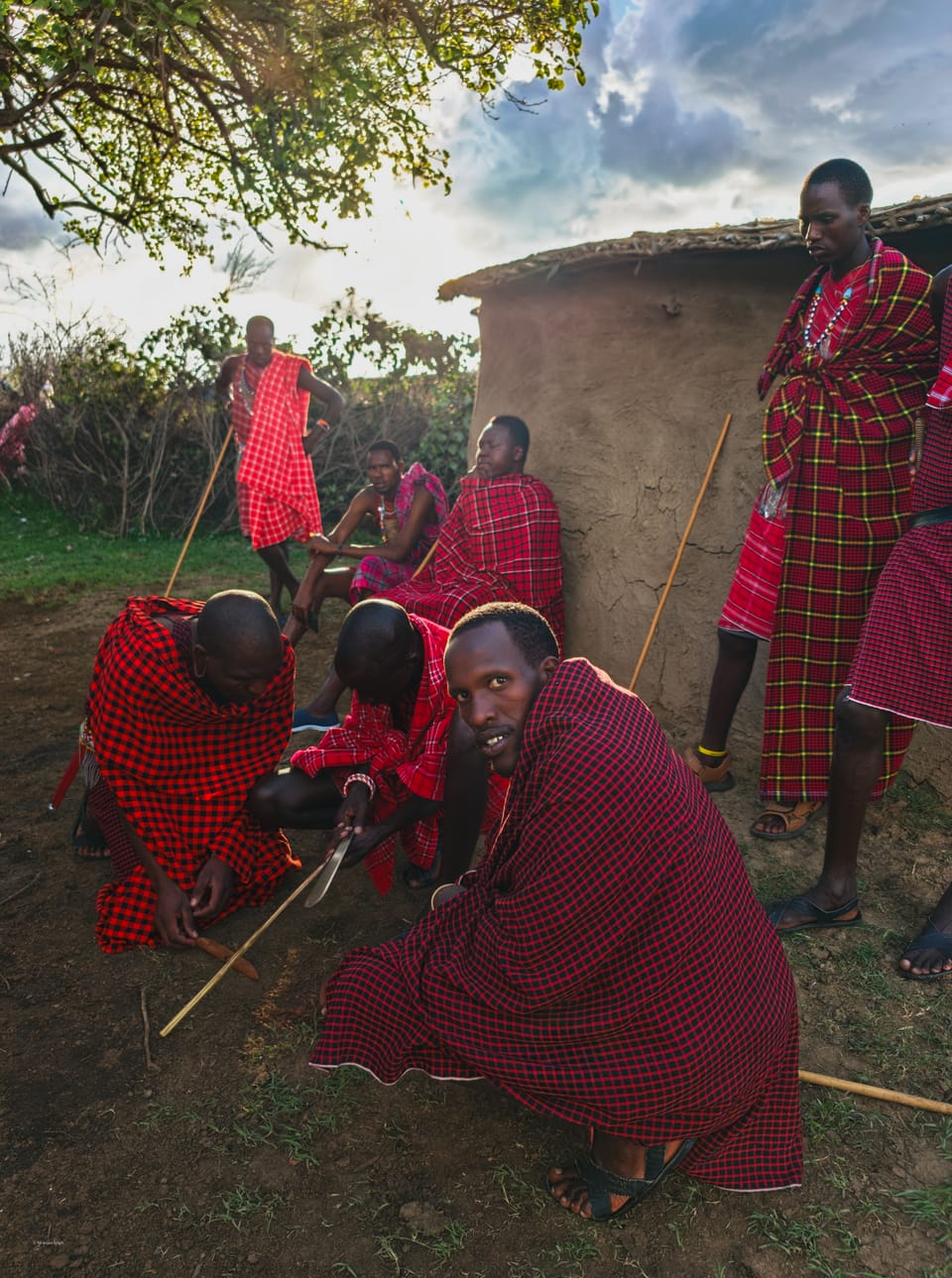
When Western visitors first meet the Maasai, the traditional dress and the mud-and-dung houses and the cattle economy sometimes read as "simple." Quaint, photographable, primitive. That assumption is wrong, and not by a little.
Maasai life is sophisticated in ways we're not trained to recognise: social structure, conflict resolution, resource management, and a depth of knowledge about this land and its animals refined over generations. Their traditional medicine alone is a detailed pharmacology of local plants. I've been shown which bark brings a fever down, which roots ease joint pain, which leaves go on an infection: empirical knowledge, refined over centuries of observation.
And the elders are what made me pay attention. The ones I've met who are said to be past 90 are active and sharp, still walking kilometres a day with their cattle. I can't tell you which part does it, the diet, the movement, the medicine, or the social bonds. Something in the combination works.
The ones who choose to come back
The most telling thing I've noticed is what happens when young Maasai leave. Many do. They go to school, some to university; they learn English and build skills that could get them jobs in Nairobi or abroad.
And plenty of them come back, carrying what they learned and folding it into the old knowledge. From where I sit, it doesn't look like failing in the city. It looks like choosing this, in a world where most of us are busy chasing the next city and the next rung.
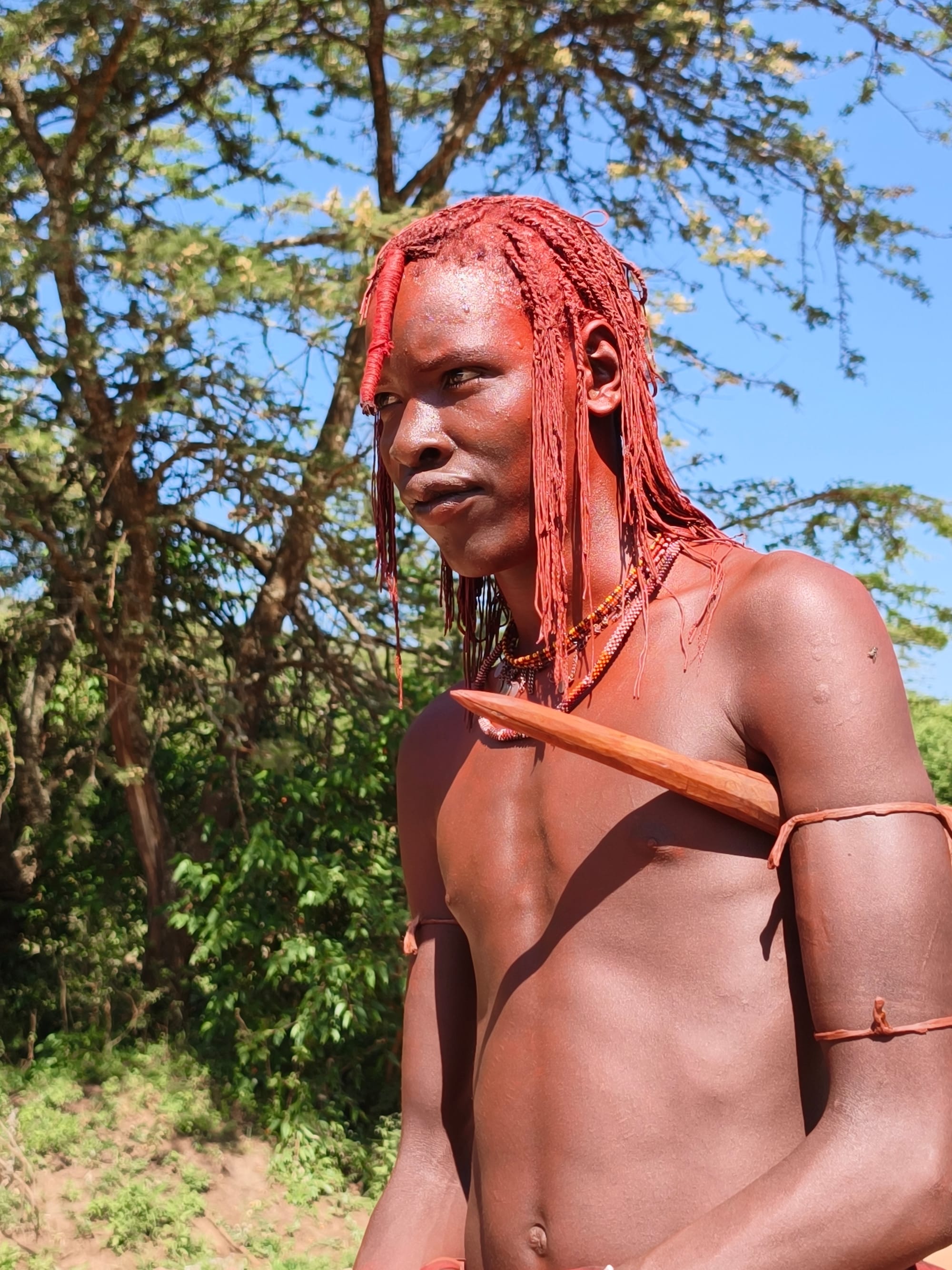
I don't think I've fully absorbed what that says about the rest of us. I'm still working on it.
How the Mara became home
I should be honest about my own path here. For years I knew the Maasai the way most people do: the iconic image, the jumping dance, the red shuka. Respectful enough, but surface-level.
Running Mara Hilltop changed that. I'm here for long stretches, season after season, and at some point the Maasai around us stopped being neighbours and became something closer to family. These are people who show up when things go wrong, who share meals and stories and knowledge. I still see all of it from an outsider's perspective, and I always will. But I learn something about them almost daily, and the main thing I've learned is how much I haven't.
The case for staying longer
So here's my pitch, and it's simple: stay longer. I run a lodge, so discount that advice accordingly. But two days isn't enough to see the wildlife properly, and it's nowhere near enough to meet the people.
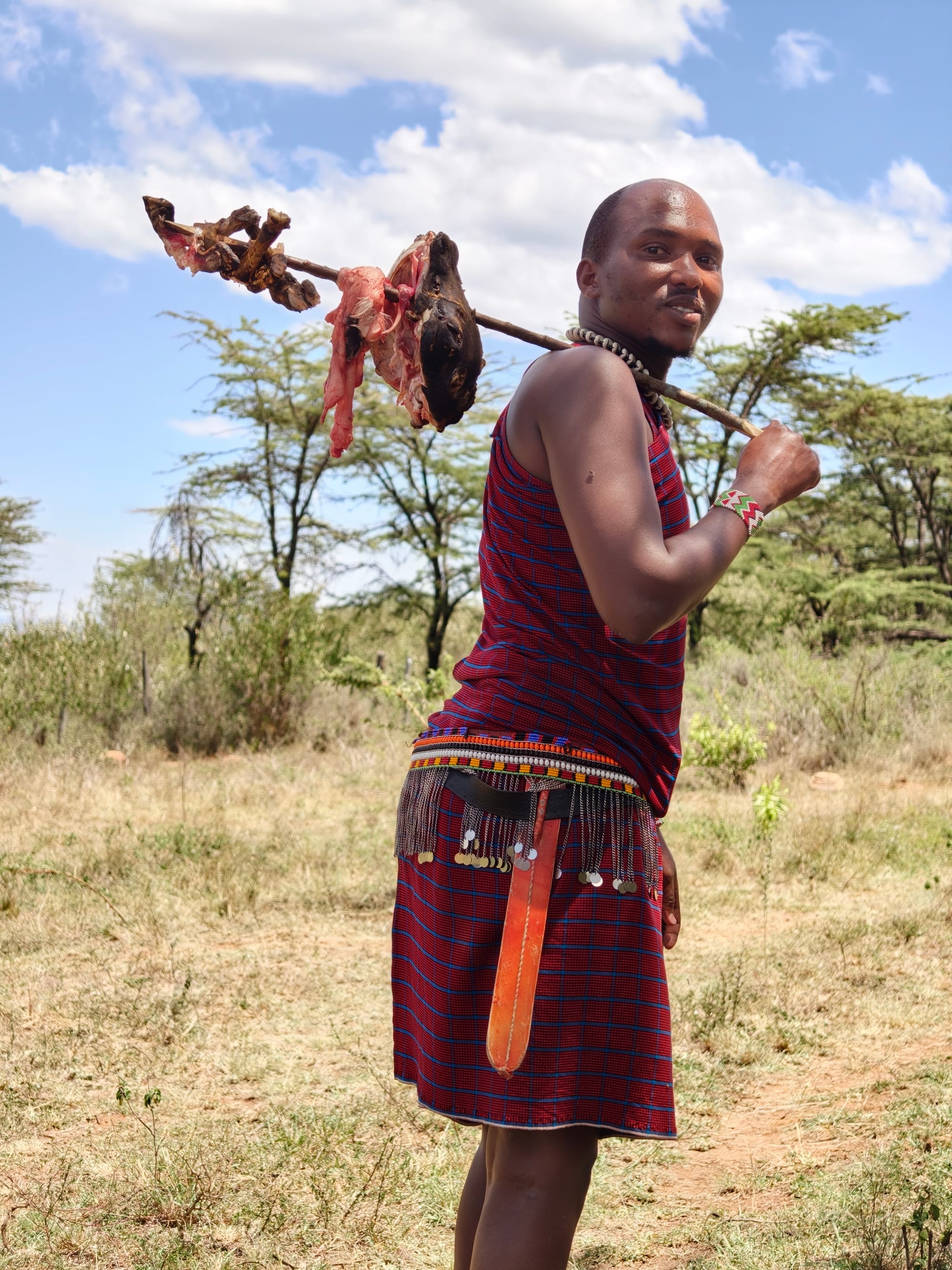
Four days. Five. A week if you can swing it. Do the game drives, and also sit with the beadmakers, walk the hills, share tea in a village, get on a motorcycle.
A practical detail that surprises people: Mara park fees only apply on the days you actually enter the reserve. Culture days, hiking days, and watch-the-sunset days cost nothing beyond your accommodation, which changes the budget math of a longer stay completely.
Here's what a longer stay might look like:
- Day 1: Arrive, settle in, watch the sunset from the hilltop. No rush. No schedule. Just the sky.
- Day 2: Full-day safari in the reserve, the thing you came for.
- Day 3: Maasai village visit in the morning. Beadwork workshop. Hillside hike in the afternoon.
- Day 4: Morning game drive, then a lazy afternoon. Read a book. Talk to the staff. Let the Mara be quiet.
- Day 5: Motorcycle tour deeper into Maasai land, or a hot air balloon at dawn. Depart with the feeling that you actually know this place.
If you come
Mara Hilltop sits on the edge of the Maasai community and the reserve, with rooms from $35 a night up to luxury tents, and the thing we're genuinely best at is introducing guests to our neighbours: the families we know by name, the elders with stories no guidebook has, the kids who will challenge you to a running race you will lose.
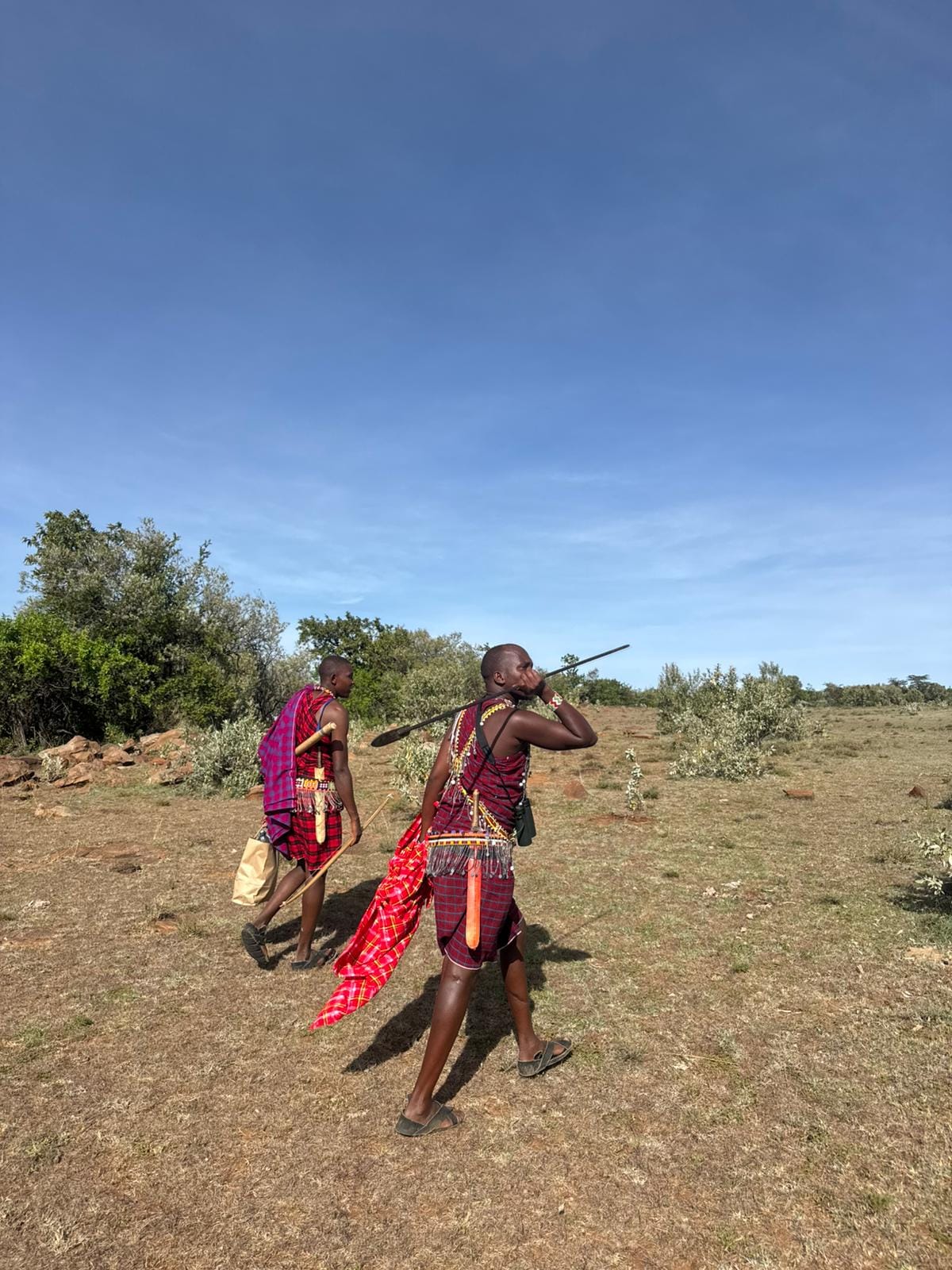
The wildlife is why everyone comes. The people are why I stayed.
— NJ