Why the Rainy Season Could Be the Best Time to Visit Masai Mara
Every safari guide, every travel blog, every "best time to visit" listicle will tell you the same thing: go to the Masai Mara between July and October. That's when the Great Migration happens. That's when you'll get the iconic wildebeest crossing photos. That's when everyone goes.
And that's exactly why you might want to consider going when they don't.
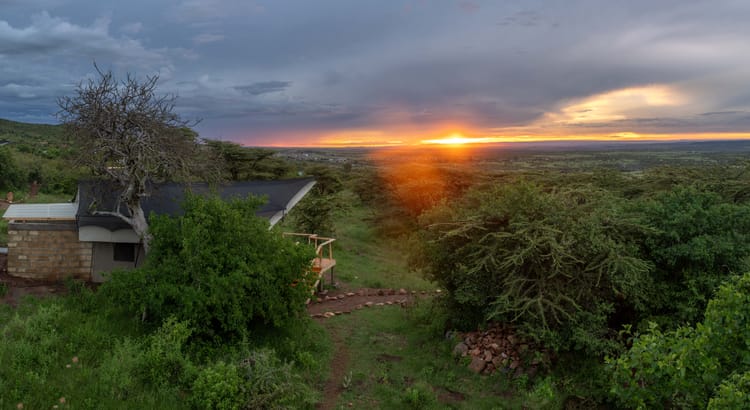
I'm NJ, and I run Mara Hilltop Lodge — we're perched on a hill about 2.5 km from the Sekenani Gate, overlooking the Mara ecosystem. I live here year-round. I've seen the Mara in every season, every mood, every shade of brown and green. And I'm going to let you in on something the big tour operators won't tell you: the rainy season — what we call the green season — might just be the best time to visit.
The "Avoid Rainy Season" Myth — Where It Comes From
The logic goes like this: rain = bad weather = bad safari. Simple, right?
Not quite.
Most travel guides default to recommending July through October because that's when the Great Migration passes through the Mara. It's spectacular — I won't deny that. But it creates a self-reinforcing cycle. Guides recommend peak season, everyone books peak season, and off-peak feels "empty" by comparison. Tour operators make more money during peak, so they push peak. The cycle continues.
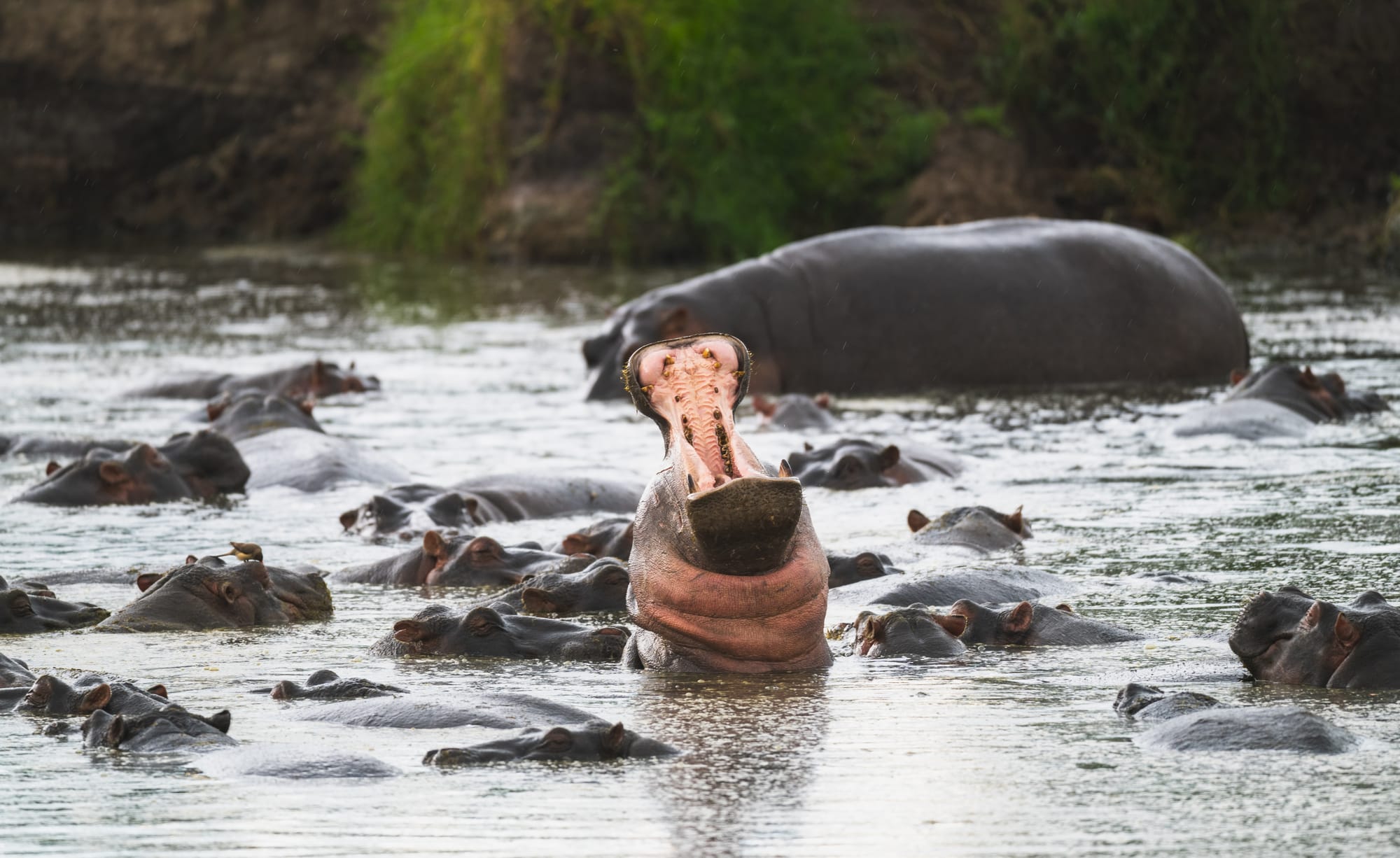
Here's what gets lost in that cycle: the Masai Mara has resident wildlife year-round. Lions, elephants, leopards, cheetahs, hippos, giraffes, buffalo — they don't pack up and leave when it rains. The migration is a bonus. It's not the whole show.
What "Rainy Season" Actually Looks Like (From Someone Who Lives Here)
It Doesn't Rain All Day
This is the biggest misconception I deal with. People picture monsoon-style downpours from dawn to dusk. That's not how it works in the Mara.
Rain typically falls in the late afternoon or evening — maybe one to two hours. Mornings? Often crystal clear. And those morning hours — 6 to 10 AM — are your prime game drive window anyway. You'll be back at the lodge having a late breakfast by the time the clouds roll in.
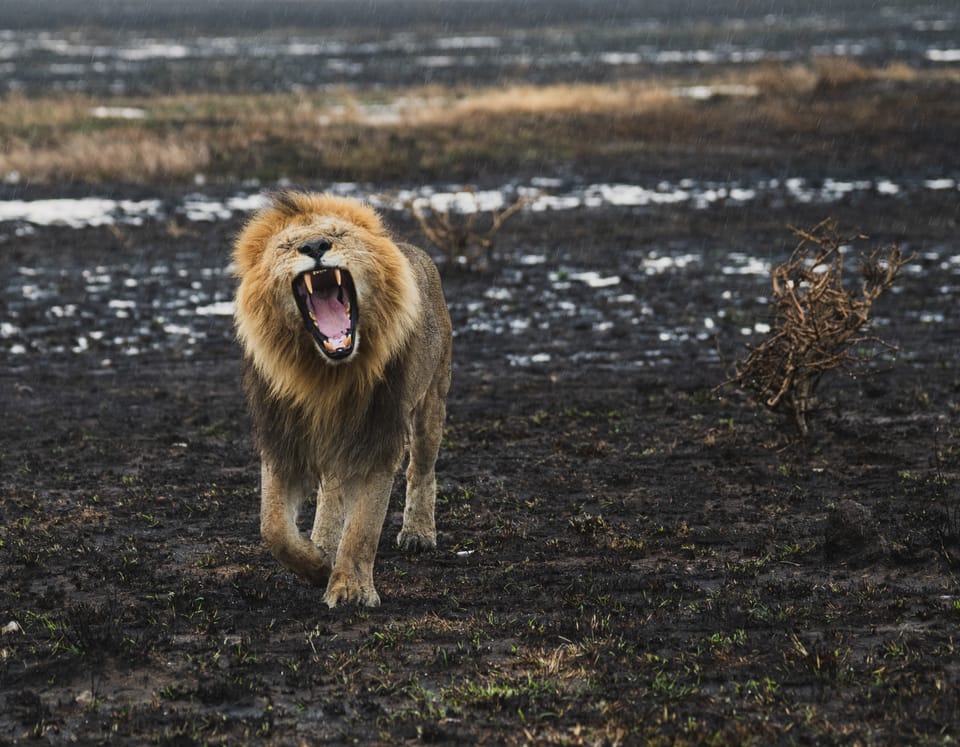
Even when it does rain during a drive, it's usually brief. And honestly? Some of my best safaris have been in the rain. Last year during the rains, I watched lions move with real purpose — you could tell they were looking for a hunt. They were fresher than ever because it wasn't the scorching heat of peak season. There's something raw and electric about the Mara when it rains.
The Landscape Transformation Is Breathtaking
If you've only seen photos of the Mara during dry season, you're looking at a brown, dusty savannah. Beautiful in its own way, sure. But during the green season? The entire landscape transforms into an emerald paradise. Rolling green hills as far as you can see, wildflowers scattered across the plains, butterflies everywhere you look.
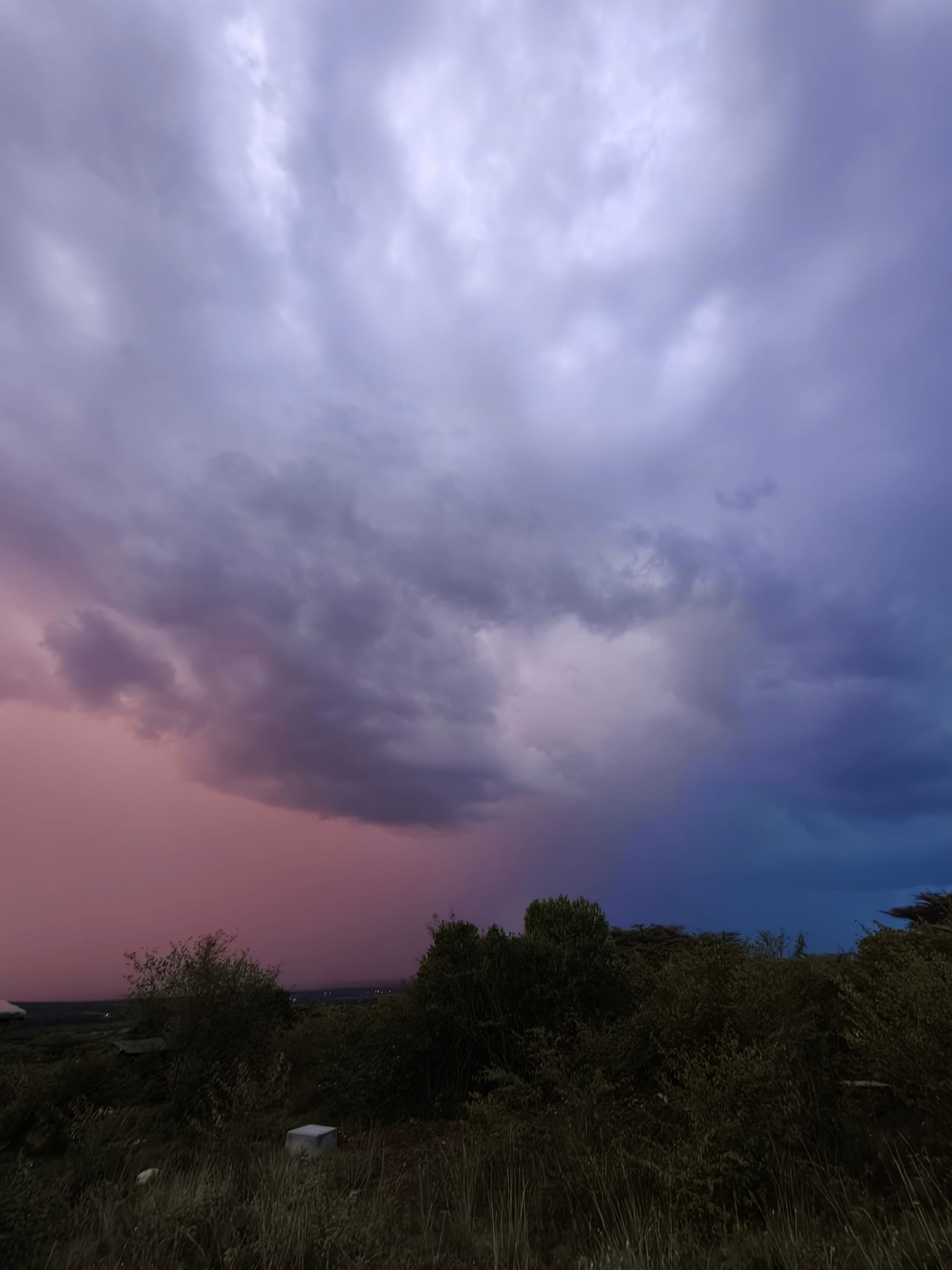
And the skies — dramatic storm clouds, golden light breaking through after rain, double rainbows over the savannah. If you're a photographer, you already know why this matters.
Temperature Is Actually Pleasant
Green season temperatures hover between 20–28°C (68–82°F). Not cold, not scorching. Compare that to peak season when the midday heat can make afternoon game drives uncomfortable for both you and the animals. During the rains, everything feels fresher.
7 Reasons to Visit Masai Mara During the Green Season
1. Save 50% on Park Fees ($100 vs $200/day)
Let's talk numbers, because this is where it gets real.
Non-resident park entry fees for the Masai Mara are $200 per person per day during peak season. During the green/off-peak season? $100 per person per day. That's a straight 50% saving.
For a 2-day safari, that's $200 saved per person. For a couple, that's $400 back in your pocket — enough for a hot air balloon ride or an extra night at the lodge.
2. Accommodation Is Dramatically Cheaper
It's not just park fees. Lodges and camps across the Mara drop their rates during green season. Lodges and camps across the Mara — including ours — drop their rates significantly during green season. Many reduce prices by 30–50%.
The result? A safari that felt out of budget during July suddenly becomes very doable in April.
3. You'll Have the Mara Practically to Yourself
During peak season, it's not unusual to see 20+ safari vehicles crowded around a lion sighting. Everyone's jostling for position, engines running, cameras clicking. It can feel more like a parking lot than a wilderness.
During green season? It might just be your vehicle and the lions. That's it. The intimacy of that experience — a pride of lions 10 metres away with no one else around — is something money can't buy during peak season, no matter how much you spend.
4. Baby Animals Everywhere
Many herbivore species time their births around the rainy season, when fresh grass is abundant. That means you'll see wobbly-legged wildebeest calves, zebra foals, and baby gazelles across the plains. And where there are babies, predators follow. The hunting action during green season can be incredible.
5. It's a Birding Paradise
The Masai Mara hosts over 200 migratory bird species during the green season. European migratory birds arrive to feed and breed. If you're into birding — or even if you're not — the sheer variety of colour and sound adds a whole new dimension to the safari experience.
6. Photography Is Unbeatable
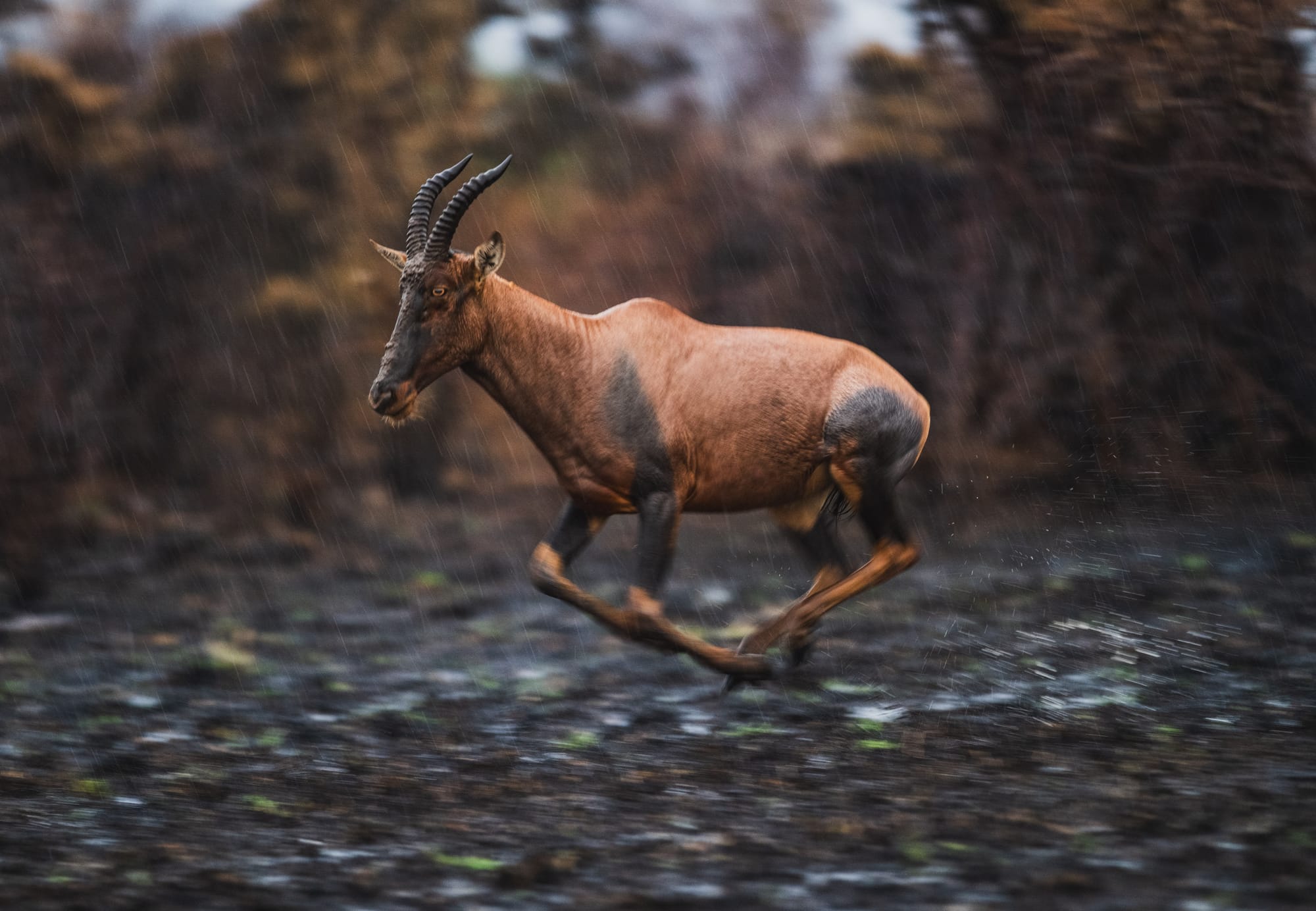
Photographers, listen up. The green season gives you everything peak season can't: lush green backgrounds instead of brown dust, dramatic storm clouds building on the horizon, golden light filtering through rain clouds, and the kind of moody, atmospheric conditions that turn a good photo into a great one.
7. The Wildlife Is Still There
I can't stress this enough. The Mara's resident wildlife doesn't migrate. Lions, leopards, cheetahs, elephants, hippos, buffalo, giraffes, hyenas — they're all here, all year. The Great Migration is an incredible spectacle, but if you're coming for the Big Five and the classic African safari experience, you'll get that in any season.
The Real Cost: Peak Season vs Green Season at Mara Hilltop
What a 3-Night Safari Trip Really Costs: Peak vs Green Season
Here's a rough breakdown of the major costs for a typical 3-night, 2-day safari trip per person — regardless of where you stay:
| Item | Peak Season (Jul–Oct) | Green Season (Apr–Jun) | Difference |
|---|---|---|---|
| Park fees (2 days, non-resident) | $400 | $200 | 50% less |
| Full-day safari vehicle (shared) | $220–$250 | $200–$220 | ~10% less |
| Transfer from Nairobi (return) | $300–$400 | $300–$400 | — |
| Accommodation (3 nights) | Varies by lodge | 20–40% less than peak | Significant |
The park fees alone save you $200 per person for a 2-day safari. For a couple, that's $400 — enough for a hot air balloon ride or an extra night. Add in lower accommodation rates across the board, and a green season trip can easily cost hundreds of dollars less than the same itinerary during peak.
At Mara Hilltop, we offer everything from backpacker dorm beds to luxury tented suites with full board — get in touch for current rates.
But What About the Rain? Practical Tips
What to Pack for Green Season
- A decent waterproof jacket — not a heavy raincoat, just a lightweight shell
- Quick-dry clothing — cotton stays wet, synthetics don't
- Waterproof bag for your camera — a dry bag or even a ziplock works
- Closed-toe shoes or boots — leave the sandals for the lodge
- A warm layer for mornings — it can be cool at dawn
Game Drive Logistics
Morning drives (6–10 AM) are usually completely dry. You'll be out when the animals are most active and back before any rain rolls in. Some roads can get muddy after heavy rains, but our 4x4 vehicles handle it without issue. Your driver knows the terrain — trust them.
In fact, muddy conditions sometimes work in your favour. Animals tend to stick to higher ground and established paths, making them easier to spot.
Which Months Are Best Within Green Season?
- November: Short rains, excellent game viewing, very few tourists — arguably the best green season month
- March: Rains starting, still very manageable, good value
- April–May: Heaviest rain but deepest discounts and the most dramatic landscapes
- June: Rains tapering off, everything still green, excellent value as you transition toward high season
Who Should Visit During Green Season?
Budget Travelers & Backpackers
If money is a factor — and for most of us it is — green season makes a multi-day Mara safari genuinely affordable. The $100 daily park fee (vs $200 peak) combined with lower accommodation rates means a proper 3-night safari trip costs hundreds less than peak season. At Mara Hilltop, we have the Mara's first backpacker dorms — making multi-day stays genuinely affordable.
Photographers
Green backgrounds, dramatic skies, baby animals, migratory birds, soft light. If you're serious about wildlife photography, green season is your playground.
Digital Nomads
This is something we're particularly proud of at Mara Hilltop. We've got Starlink WiFi and co-working spaces — so you can actually work from the Mara for weeks at a time. Green season makes long stays more affordable, and the quieter atmosphere is perfect for focused work with safari breaks.
Couples Seeking Privacy
Misty mornings, private game drives, sundowners with no one else around. Green season romance is different from peak season luxury — it's quieter, more intimate, more real.
Repeat Visitors
Already seen the migration? Green season shows you a completely different Mara. It's almost like visiting a different place. Many of our returning guests now prefer the green season.
Frequently Asked Questions
Is it worth going to Masai Mara in April?
Absolutely. April brings afternoon rains, but mornings are typically clear — perfect for game drives. Park fees drop to $100/day (from $200), accommodation is cheaper across the board, and you'll have the reserve largely to yourself. Wildlife viewing for resident species is excellent.
Can you still do safari in the rain?
Yes. Rain in the Mara is usually brief — one to two hours in the afternoon. Morning game drives are almost always dry. Animals are actually more active around rain, especially predators. Our 4x4 vehicles handle wet conditions without any issues.
Which season should you avoid in Masai Mara?
Honestly? There's no bad season. Each has its own appeal. If you want to avoid crowds and save money, the green season (March–June, November) is ideal. If you specifically want to see the wildebeest migration, aim for July–October.
Is rain good or bad for safari?
It's good. Rain brings lush vegetation, baby animals, over 200 migratory bird species, and incredible photography conditions. The only downside is occasionally muddy roads, which experienced drivers handle easily.
What is the green season in Kenya?
Kenya's green season covers the long rains (March–May) and short rains (November–December). The savannah transforms from brown to vibrant green, with wildflowers and dramatic skies. It's called "green season" rather than "rainy season" because the name better reflects the reality — it's not constant rain, it's a beautiful transformation.
What are Kenya's cheapest months to visit?
April, May, and early June offer the deepest discounts on both accommodation and park fees across Kenya. November is another sweet spot with lower rates and excellent conditions.
Experience the Mara's Green Season for Yourself
Look, I get it. Going against the conventional wisdom feels risky, especially when you're planning a trip halfway around the world. But I've lived in the Mara long enough to know that the green season offers something the crowds and the dust of peak season simply can't: an authentic, intimate, and affordable safari experience.
If you're considering a green season visit, we'd love to host you at Mara Hilltop. Whether it's a dorm bed or a luxury tented suite with panoramic views, we'll make sure you see the Mara at its most beautiful.
Ready to book?
- 📱 WhatsApp: +1 717 683 9393
- 📧 Email: nj@marahilltop.com
- 🌐 Website: marahilltop.com
See you in the green.