Beyond the Game Drive: Why the Maasai Mara Deserves More Than 2 Days
I'm going to let you in on something that took me years to figure out.
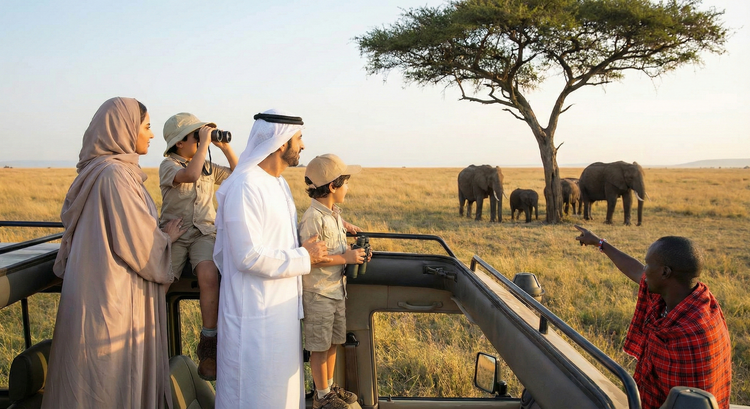
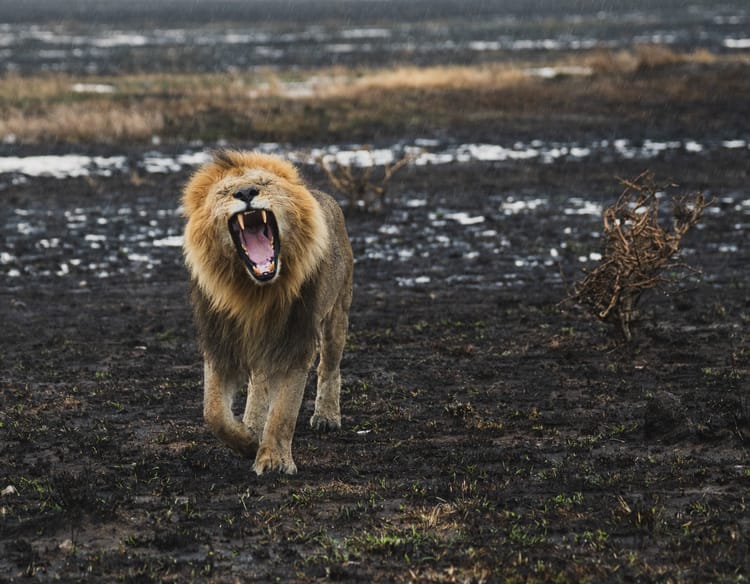
The Maasai Mara is famous for the Big Five, the Great Migration, those golden-hour photos of cheetahs silhouetted against the savannah. And yes — all of that is real, and it's spectacular. I've watched a leopard carry an impala up a tree at dawn and felt my hands shake just holding the binoculars.
But the wildlife? That's only half the story.
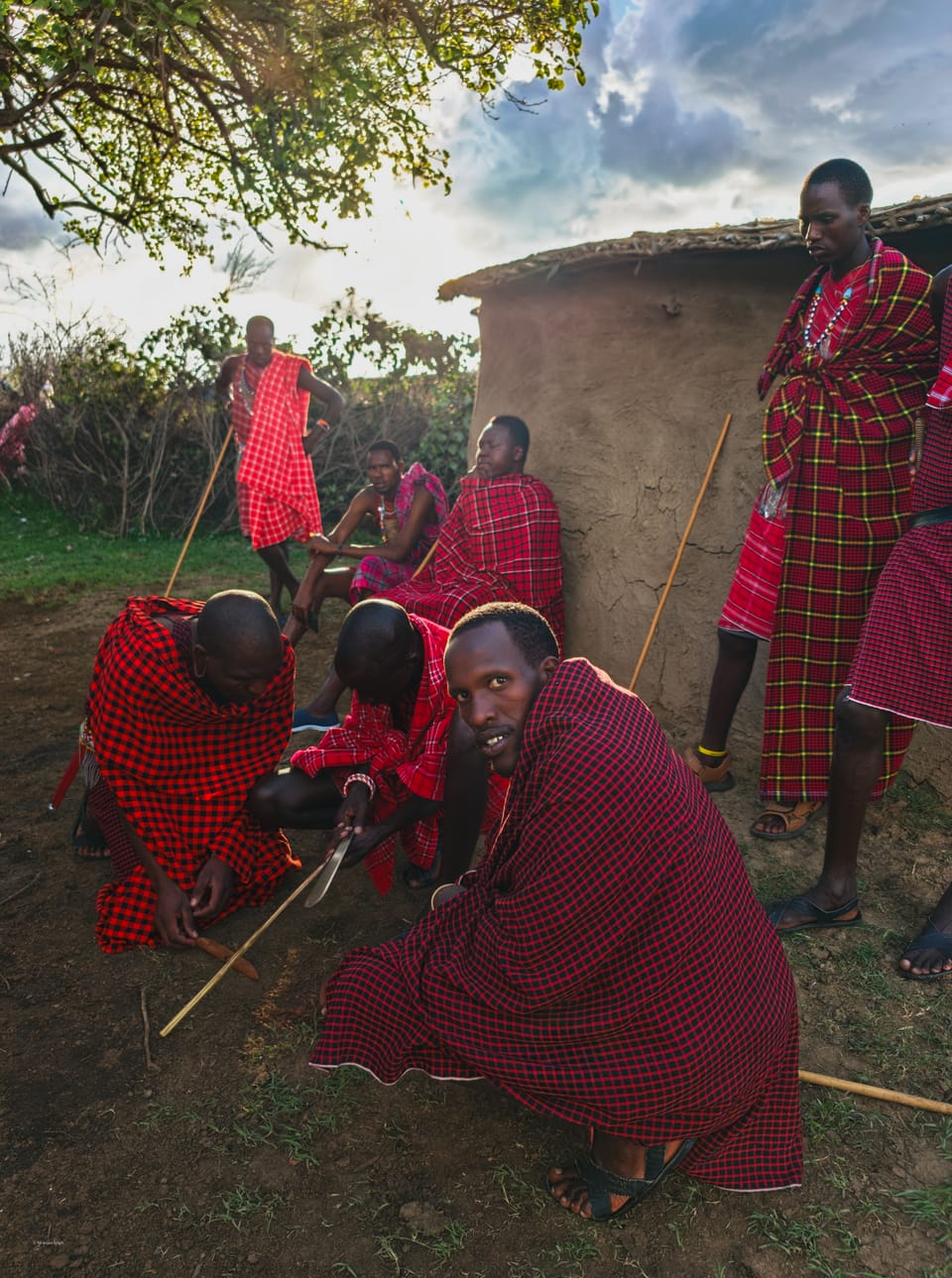
The other half — the half that most visitors never see — is the Maasai themselves. Their culture, their community, the way they live. And honestly? It's that half that keeps pulling me back, that turned a place I visited into a place I call home.
The Two-Day Trap
Here's what happens to most people who visit the Masai Mara. They fly or drive in from Nairobi. They check into their lodge or camp. They do a morning game drive, an afternoon game drive, maybe another one the next morning. Then they leave.
Two days. Maybe three. All of it spent inside a safari vehicle, inside the reserve, looking for animals.
I'm not knocking it — a Masai Mara safari is a bucket-list experience for good reason. But imagine visiting Paris and only going to the Louvre. Imagine going to Tokyo and never leaving your hotel restaurant. You'd get something out of it, sure. But you'd miss the soul of the place.
The Mara's soul isn't just in its wildlife. It's in the people who've lived alongside that wildlife for centuries — the Maasai. And if you drive away after 48 hours without spending time with them, you've experienced the Masai Mara beyond safari in name only.
Sitting with the Beadmakers
The first time I really understood what I'd been missing, I was sitting on the ground with a group of Maasai women, learning to make beads.
I say "learning" generously. These ladies have been doing this since childhood — their fingers move with a speed and precision that makes it look effortless. The patterns aren't random. Every colour means something. Every arrangement tells a story — marital status, age group, social standing, clan identity. What looks like jewellery is actually a language.
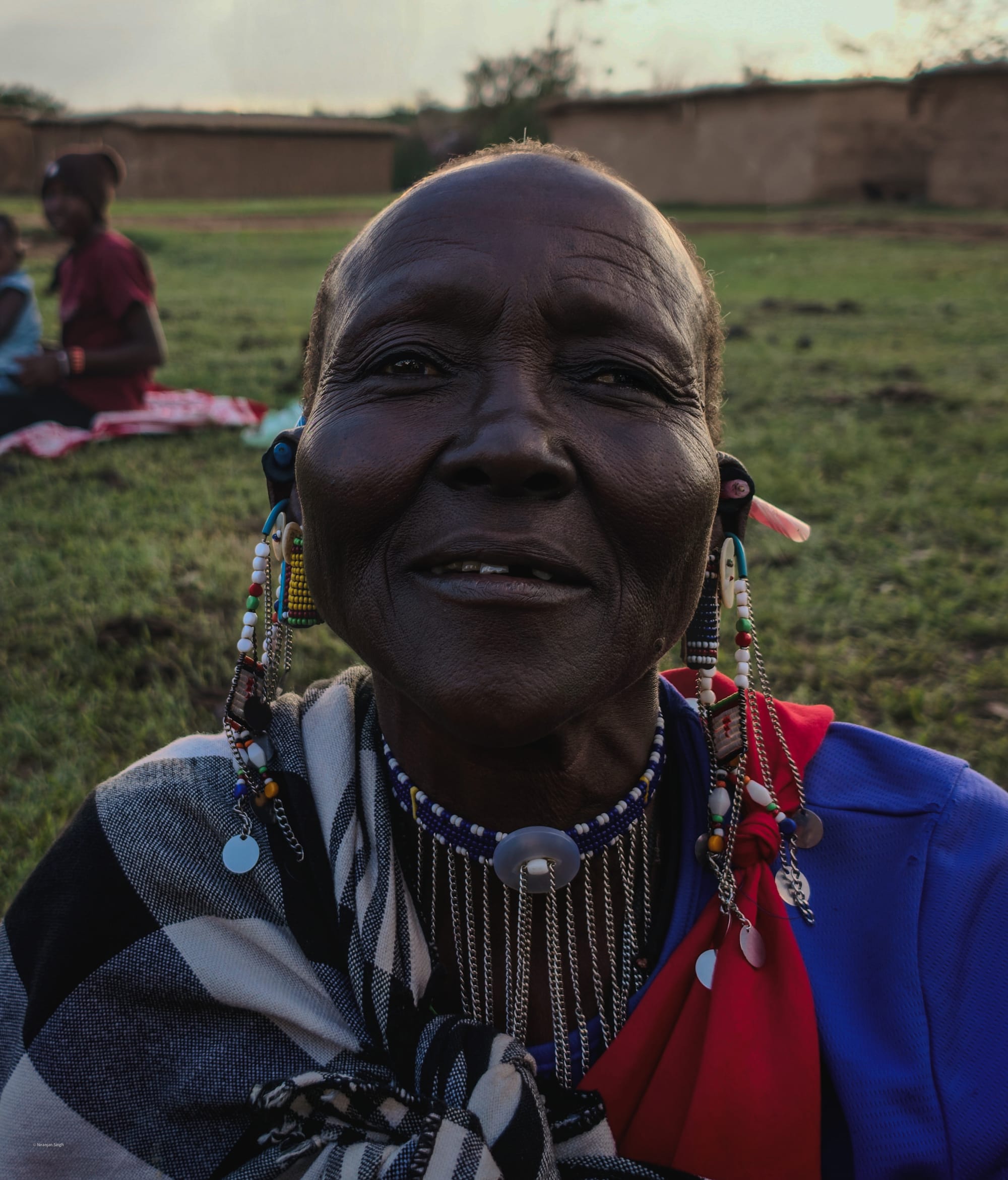
They were patient with me. Endlessly patient. And funny — there was a lot of laughing at my attempts, which I completely deserved. But what struck me wasn't the craft itself. It was the atmosphere. The ease. Women talking, working, teasing each other. Kids running around. No rush, no performance for tourists. Just life happening, and me being allowed to sit in it for a while.
That Maasai culture experience changed something in how I saw the Mara. It went from a destination to a community.
The Motorcycle and the Roads Nobody Takes
If the beadwork opened a door, the motorcycle blew it off its hinges.
I started taking motorcycle trips deeper into Maasai land — past the lodges, past the conservancies, into the areas where tourists almost never go. The roads get rough. The landscape gets bigger. And suddenly you're in villages where a visiting outsider is genuinely unusual.
The kids hear the bike coming from a distance and run to meet you. They're not selling anything. They're not performing. They're just curious and excited. The adults come out too — and here's the thing that gets me every time — they invite you in. Tea, conversation, questions about where you're from and why you're here. Real, genuine warmth.
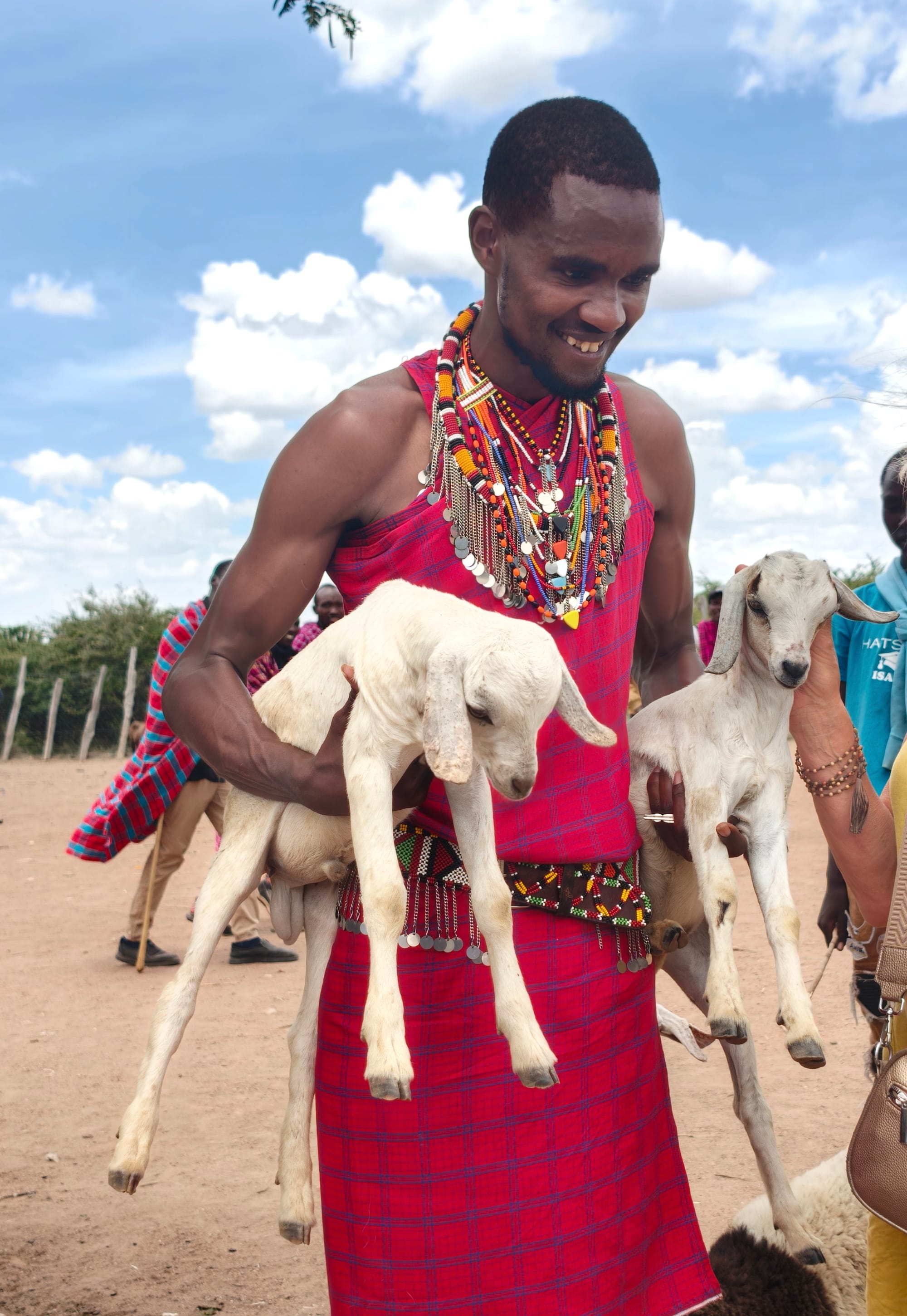
I've been to a lot of places. I've met welcoming people in many countries. But there's something about Maasai hospitality that feels different. It's not transactional. Nobody is calculating what they can get from you. They're just... glad you came. And they want you to sit down and stay a while.
Those motorcycle rides into the remote parts of the Mara are some of the most meaningful travel experiences I've ever had. No checklist, no itinerary. Just riding until you find something — or someone — interesting, which happens roughly every few minutes.
Sophisticated in Ways We Don't Expect
I need to say something that might be uncomfortable.
When many Western visitors first encounter the Maasai — the traditional dress, the mud-and-dung houses, the cattle-centred economy — there's sometimes an assumption. A patronising one. That this is a "simple" or "primitive" way of life. Something quaint to photograph and then return to your Wi-Fi-equipped tent and forget about.
That assumption is spectacularly wrong.
The Maasai approach to life is incredibly sophisticated. It's just sophisticated in ways that don't look like what we've been taught to value. Their social structures, conflict resolution, resource management, understanding of the land and animals — it's deep, refined knowledge passed down over generations.
Take traditional medicine. The Maasai have a detailed pharmacological knowledge of local plants and trees that would make a botanist's head spin. They know which bark reduces fever, which roots ease joint pain, which leaves treat infections. And this isn't folk superstition — it's empirical knowledge built over centuries of careful observation. Researchers are increasingly validating what the Maasai have known for generations.
And here's the thing that really made me pay attention: many Maasai elders live well beyond 90 years. Not in retirement homes. Not on medications from pharmacies. They're active, sharp, walking kilometres daily with their cattle, still contributing to their communities. Whatever they're doing — the diet, the movement, the traditional medicine, the social bonds — it works.
The Ones Who Choose to Come Back
Perhaps the most telling thing about Maasai culture is what happens when young Maasai leave.
Many do leave. They go to school, some to university. They get educated, learn English, develop skills that could land them jobs in Nairobi, Mombasa, even abroad. They have opportunities. Real ones.
And a remarkable number of them choose to come back.
Not because they failed in the city. Not because they couldn't make it. They come back because this is where they belong. The pull of community, of family, of land, of identity — it's stronger than a salary. They come back and they bring what they learned with them, blending new knowledge with traditional wisdom in ways that strengthen the community.
I find that extraordinary. In a world where people are constantly chasing the next city, the next opportunity, the next rung on the ladder — here's an entire community of people who looked at all of that and said, "No, what we have here is better." Not out of ignorance. Out of clear-eyed choice.
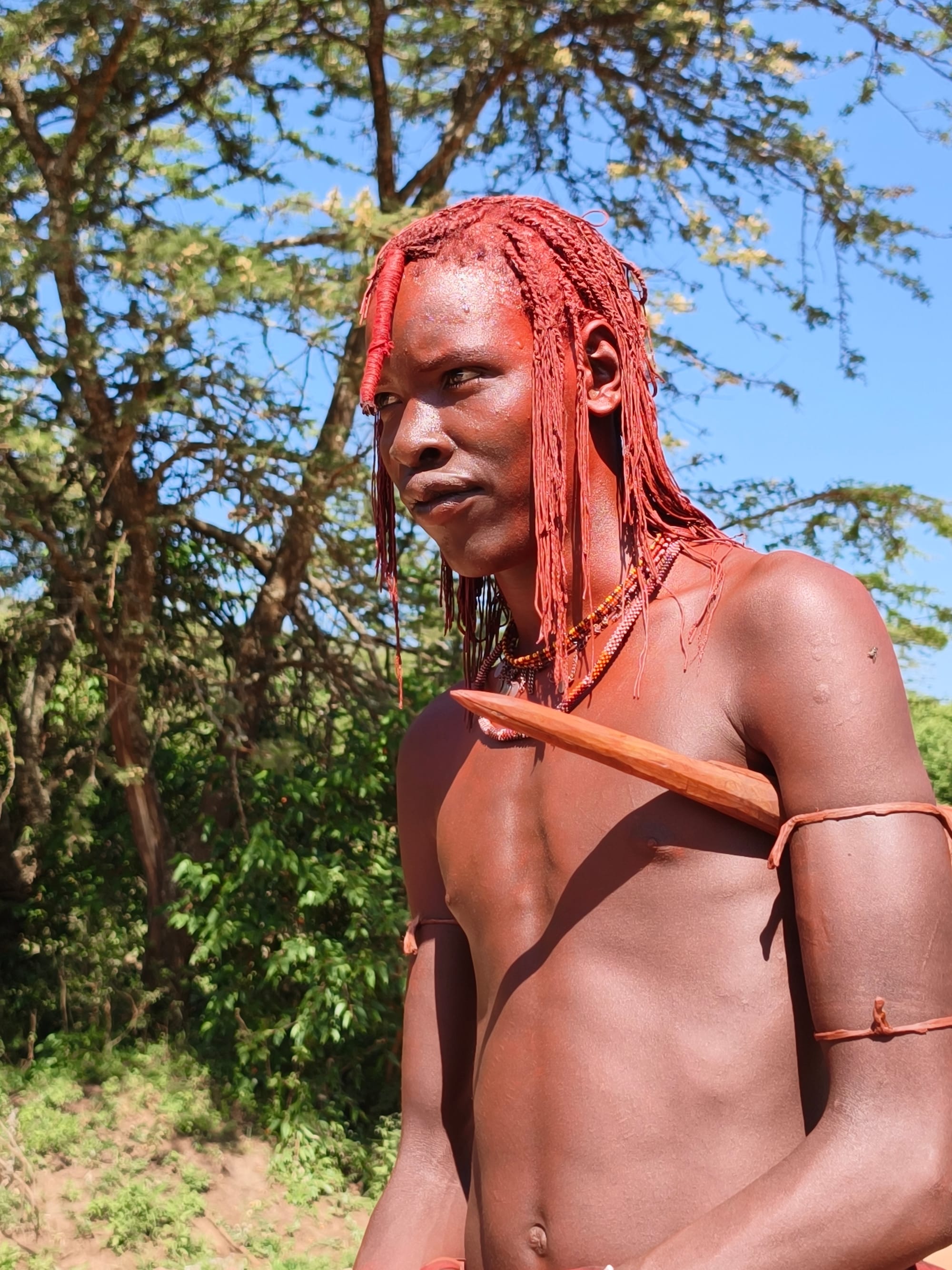
That sense of belonging, that pride in roots and community — it's something many of us in the modern world have lost. Sitting with the Maasai, watching how they live, how they prioritize relationships over transactions and community over individual ambition... it holds up a mirror. And what you see in that mirror might surprise you.
How the Mara Became Home
I should be honest about my own journey here.
For years, I knew the Maasai from a distance. The way most people do — the iconic image, the jumping dance, the red shuka. Surface-level stuff. Respectful enough, but shallow.
That changed in the last couple of years. Slowly, then all at once.
Running Mara Hilltop Lodge, I'm not a tourist passing through. I'm here. Day after day, season after season. And the Maasai around us stopped being neighbours and became family. I don't use that word lightly. These are people who show up when things go wrong. People who share meals and stories and knowledge. People who've taught me more about how to live — really live — than any book or seminar ever did.
I see things from an outsider's perspective, and I know I always will. But that perspective lets me appreciate what someone born into this might take for granted. The way a Maasai elder reads the sky and knows exactly what the weather will do. The way a mother carries a baby and leads cattle and maintains a conversation and monitors the horizon all at once. The way an entire community raises its children collectively, with a web of responsibility and care that makes our nuclear-family model look fragile by comparison.
I learn something new about the Maasai every single day. Every day. And the more I learn, the more I realise I've barely scratched the surface.
Why Longer Stays Change Everything
So here's my pitch, and it's a simple one: stay longer.
Not because I run a lodge and want your booking — though I won't pretend that's not part of it. Stay longer because two days isn't enough. It's not enough to see the wildlife properly, and it's certainly not enough to experience the Maasai Mara beyond safari in any meaningful way.
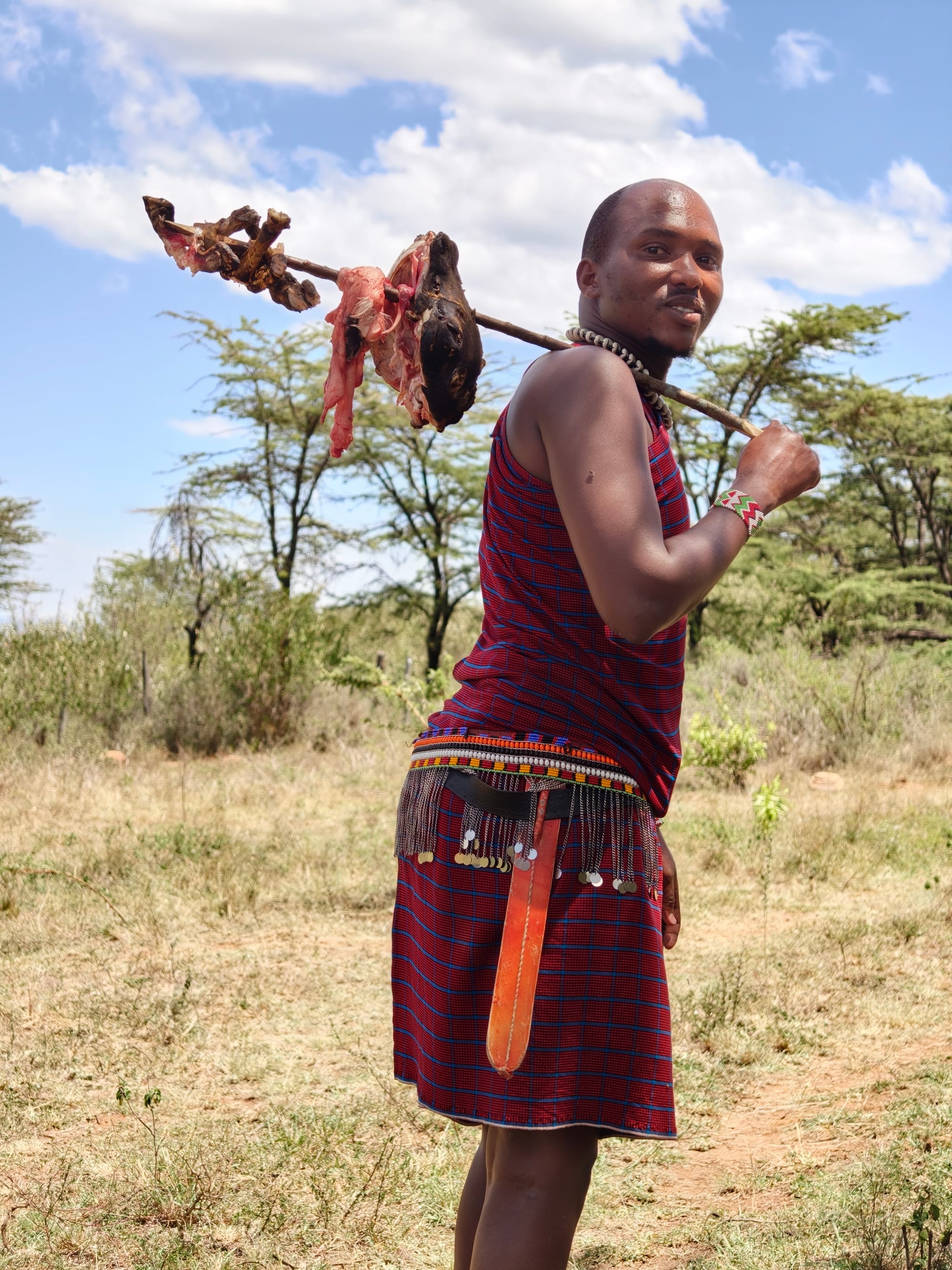
Four days. Five days. A week, if you can swing it. Give yourself time to do the game drives, yes — but also time to sit with the beadmakers. Time to walk the hills. Time to share tea in a village. Time to ride a motorcycle into places you didn't know existed. Time to stop, breathe, and let the Mara work on you.
The park fees in the Masai Mara only apply on days you actually enter the reserve. So the days you spend exploring Maasai culture, hiking, or simply watching the sunset from the hilltop? Those cost you nothing extra. It's one of the best-kept secrets of visiting the Mara on a budget.
Here's what a longer stay might look like:
- Day 1: Arrive, settle in, watch the sunset from the hilltop. No rush. No schedule. Just the sky.
- Day 2: Full-day safari in the reserve. Get the Big Five. Watch the drama of the savannah unfold.
- Day 3: Maasai village visit in the morning. Beadwork workshop. Hillside hike in the afternoon.
- Day 4: Morning game drive, then a lazy afternoon. Read a book. Talk to the staff. Let the Mara be quiet.
- Day 5: Motorcycle tour deeper into Maasai land, or a hot air balloon at dawn. Depart with the feeling that you actually know this place.
That's a Maasai Mara experience. Not a drive-by.
Come See for Yourself
At Mara Hilltop, we sit right on the edge of the Maasai community and the Masai Mara ecosystem. We've got rooms from $35 a night to luxury tents if that's your thing. We can arrange village visits, guided hikes, motorcycle tours, cultural experiences — all of it.
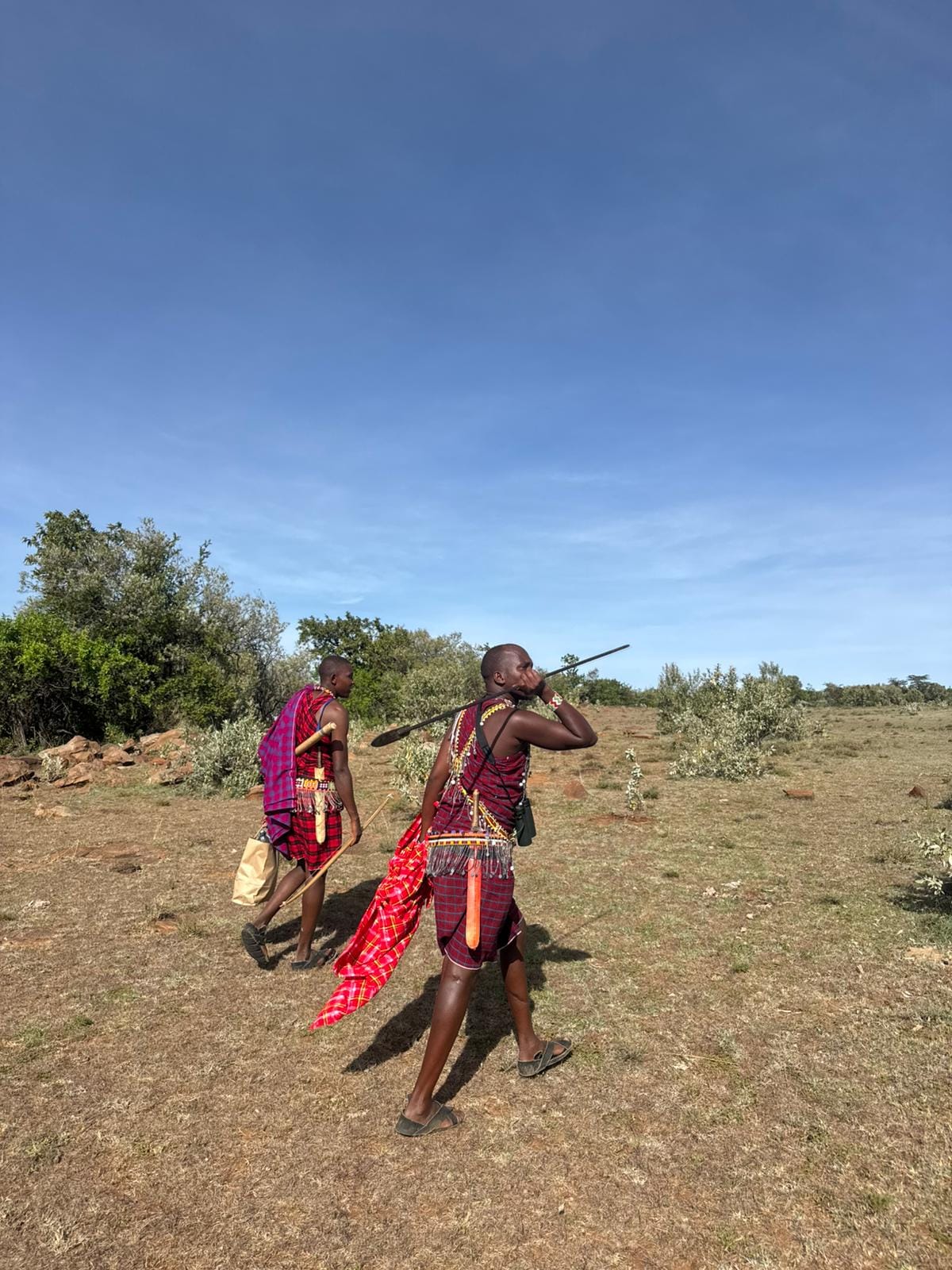
But more than that, we can introduce you to our neighbors. The Maasai families we know by name. The elders who'll tell you stories that no guidebook contains. The kids who'll challenge you to a running race you'll definitely lose.
The wildlife is spectacular. It always will be. But the people of the Mara? They're the reason I stayed.
They might be the reason you come back.
Want to plan a longer stay in the Masai Mara? [Browse our accommodation](https://marahilltop.com) or [WhatsApp us directly](https://wa.me/2540114505977) — we'll help you build an itinerary that goes way beyond the game drive.