You Don't Need a Travel Agency to Visit Kenya. Here's How to Plan Your Own Safari
Here's something most travel websites won't tell you: you don't need a travel agency to visit Kenya.
I run a lodge (Mara Hilltop) in the heart of the Maasai Mara, and I watch guests arrive every week. Plenty of them planned their own trip and loved the freedom of it. They chose exactly what they wanted, skipped what didn't interest them, and often spent less money doing it.
Kenya has one of the most sophisticated tourism infrastructures in Africa. Lodges have WhatsApp. Parks have online payment portals. Shuttles run daily between every major destination. This guide is everything I tell friends when they ask me how to plan a Kenya trip.
What Does a DIY Safari Actually Cost?
A comfortable 6-7 night Kenya trip (Nairobi, Lake Naivasha, Maasai Mara) typically runs $700 to $1,200 per person when you book everything directly. That's accommodation, transport, game drives, park fees, and meals.
By comparison, a similar itinerary through an agency usually runs $1,500 to $2,500 per person. You're paying for convenience, and honestly, that has real value. A good agency handles everything: logistics, transfers, itinerary changes, backup plans. You don't have to think about any of it. For many travelers, especially first-timers or those short on planning time, that's worth the premium.
This guide is for those who enjoy the planning process, want full flexibility over their itinerary, or are working with a tighter budget. Planning your own trip can save you 20 to 30%, and Kenya makes it surprisingly easy to do.
Green Season: Even Bigger Savings
Travel during green season (January to May) and you save on everything. Maasai Mara park fees drop from $200 to $100 per day. Accommodation rates drop significantly. Fewer vehicles in the reserve means a more intimate wildlife experience. Green season doesn't mean constant rain. It means occasional afternoon showers, lush landscapes, and dramatic skies that actually make for better photography.
Before You Arrive: Visa, SIM Card and M-Pesa
Kenya ETA
Since January 2024, Kenya welcomes all nationalities through the ETA system. It costs $30, you apply online at etakenya.go.ke, and it's typically processed within hours. Do this before you fly.
Get a Safaricom SIM Card at the Airport
The moment you land, head to the Safaricom kiosk. A local SIM costs about $7.50 for 5GB of data + 400 minutes, or roughly $15 for 15GB. If your phone supports eSIM, you can set it up before you leave home.
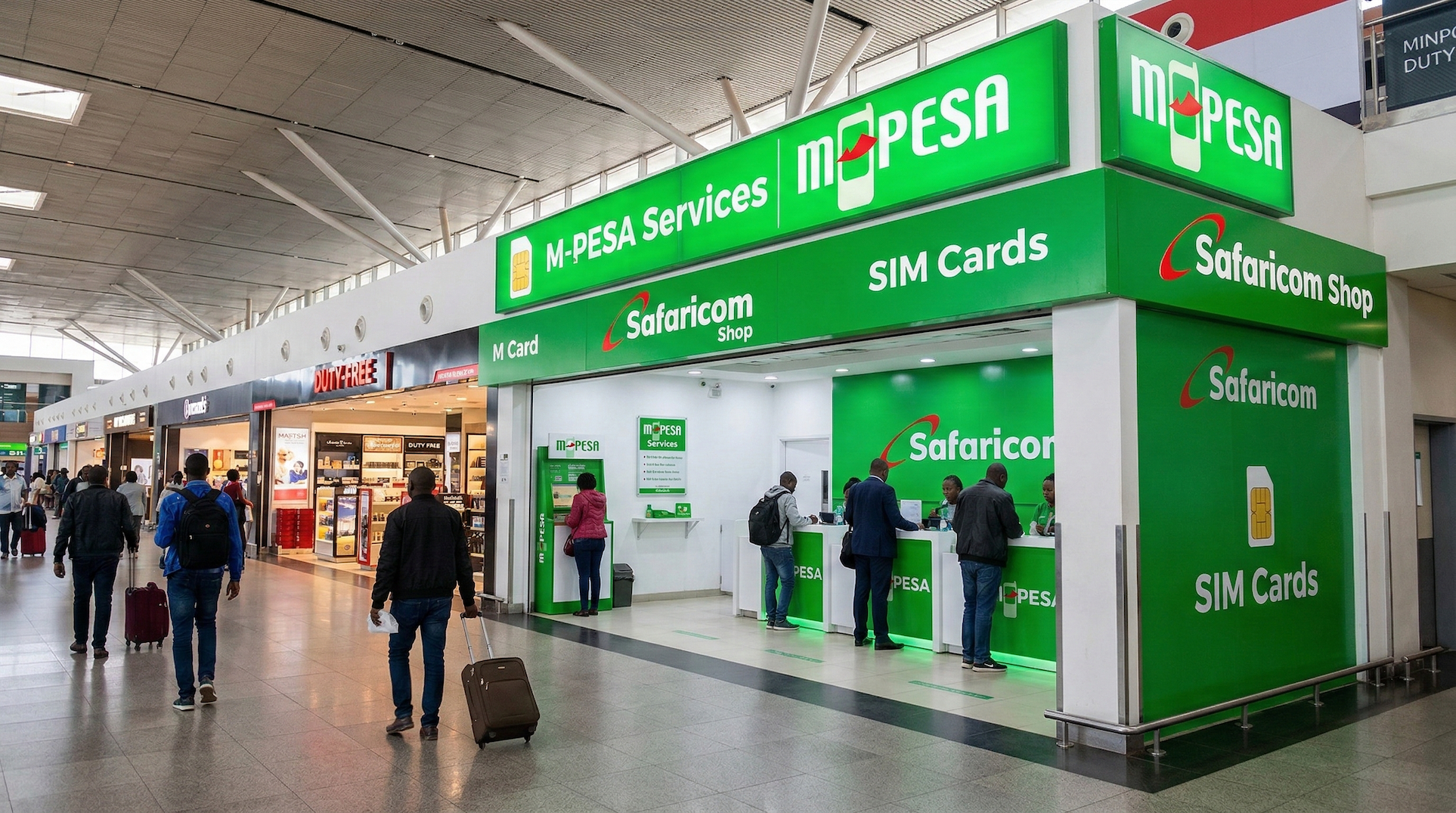
Why Safaricom specifically? When you're out in the Maasai Mara or driving through rural Kenya, Safaricom is the only network you can consistently rely on.
Register for M-Pesa
This is the single most useful thing you'll do on arrival. M-Pesa is Kenya's mobile money system, and it's how the entire country pays for everything. Fuel, groceries, park fees, taxis, restaurants, market stalls. Bring your passport to any Safaricom shop and they'll set you up in minutes. It's safer than carrying cash, it's faster, and many places actually prefer it.
The Perfect 6-7 Day Kenya Itinerary
After years of watching guests come and go, this is the itinerary I recommend to almost everyone.
Days 1-2: Nairobi
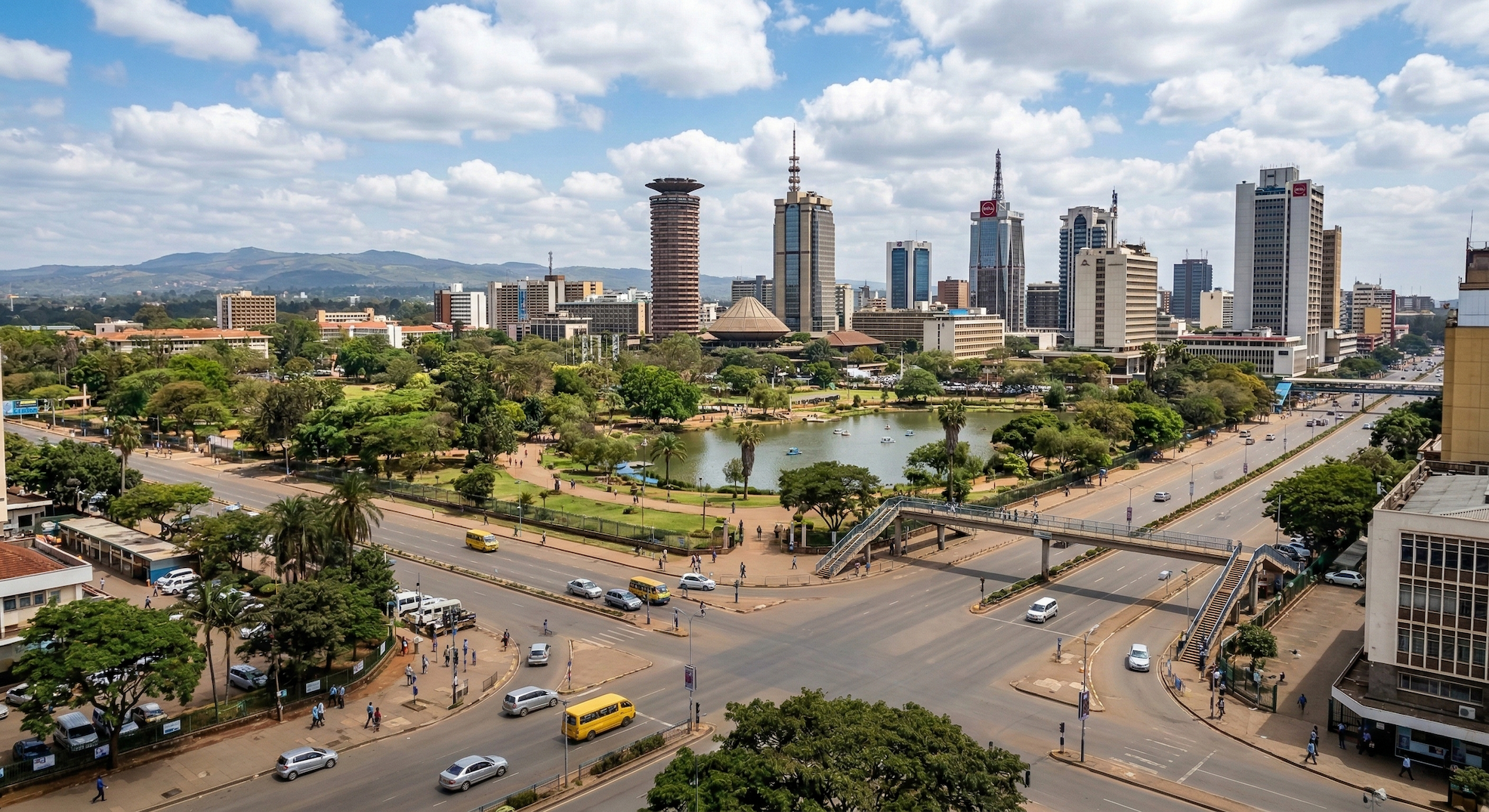
Most itineraries treat Nairobi as a layover. That's a mistake. Stay at least one night, maybe two. Visit the David Sheldrick Elephant Orphanage (book online in advance, it sells out), walk through Karura Forest, check out the Nairobi National Museum. Nairobi National Park is the only national park in the world inside a capital city. You can watch lions with skyscrapers in the background. Stay in Westlands or Karen, plenty of great options in the $30-100/night range.
Also one of my favorite places to stay in Nairobi is Emara Ole Sereni, if you're looking for a bit more luxury, and a chance to see some wildlife from the edge of the national park.
Days 3-4: Lake Naivasha
About 1.5 to 2 hours from Nairobi. This is where a lot of DIY travelers go wrong, so pay attention to these tips:
Don't skip Crescent Island. A private wildlife conservancy on the lake where you walk among giraffes, zebras, and wildebeest with no fences and no vehicles. Many tour guides skip it because it's not on the standard circuit, but it's genuinely one of the most memorable wildlife experiences in Kenya.
Do Hell's Gate National Park. One of the few parks where you can cycle and walk among wildlife. Budget half a day.
Stay lakefront. Book a lodge actually ON the waterfront, not set back inland. Waking up to hippos in the lake is half the experience.
A note about Lake Nakuru: The lake water levels have been rising steadily and many access roads are now underwater. It's not the experience it was 10 years ago. If you're tight on time, Naivasha is the better choice right now.
Days 5-7: Maasai Mara
The main event. Stay for at least three nights. Two nights is too rushed. You want at least three full game drives to really experience the Mara.
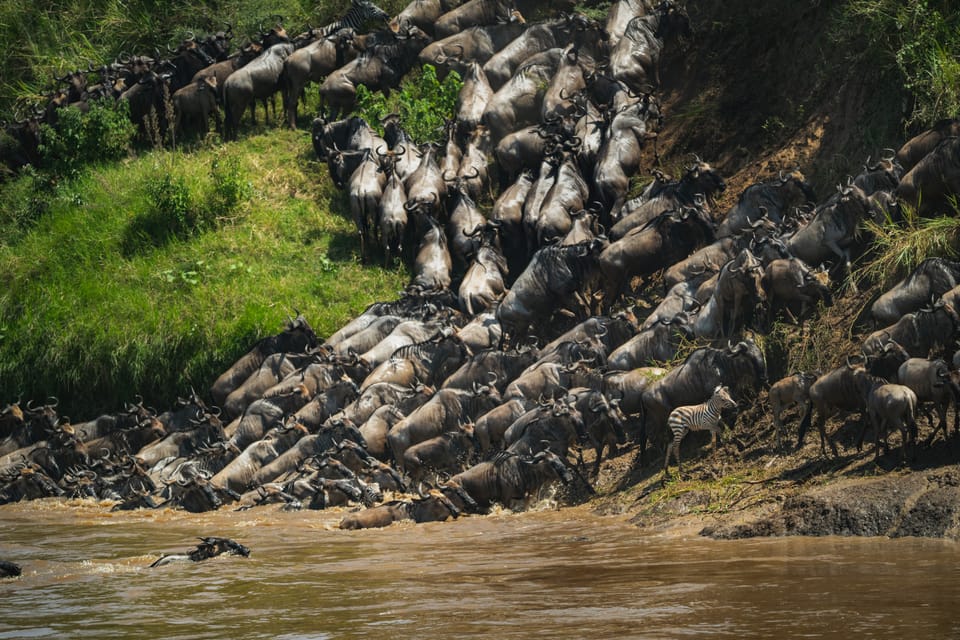
If you visit during the Great Migration (July to October), you might witness a river crossing, one of the most jaw-dropping wildlife spectacles on earth.
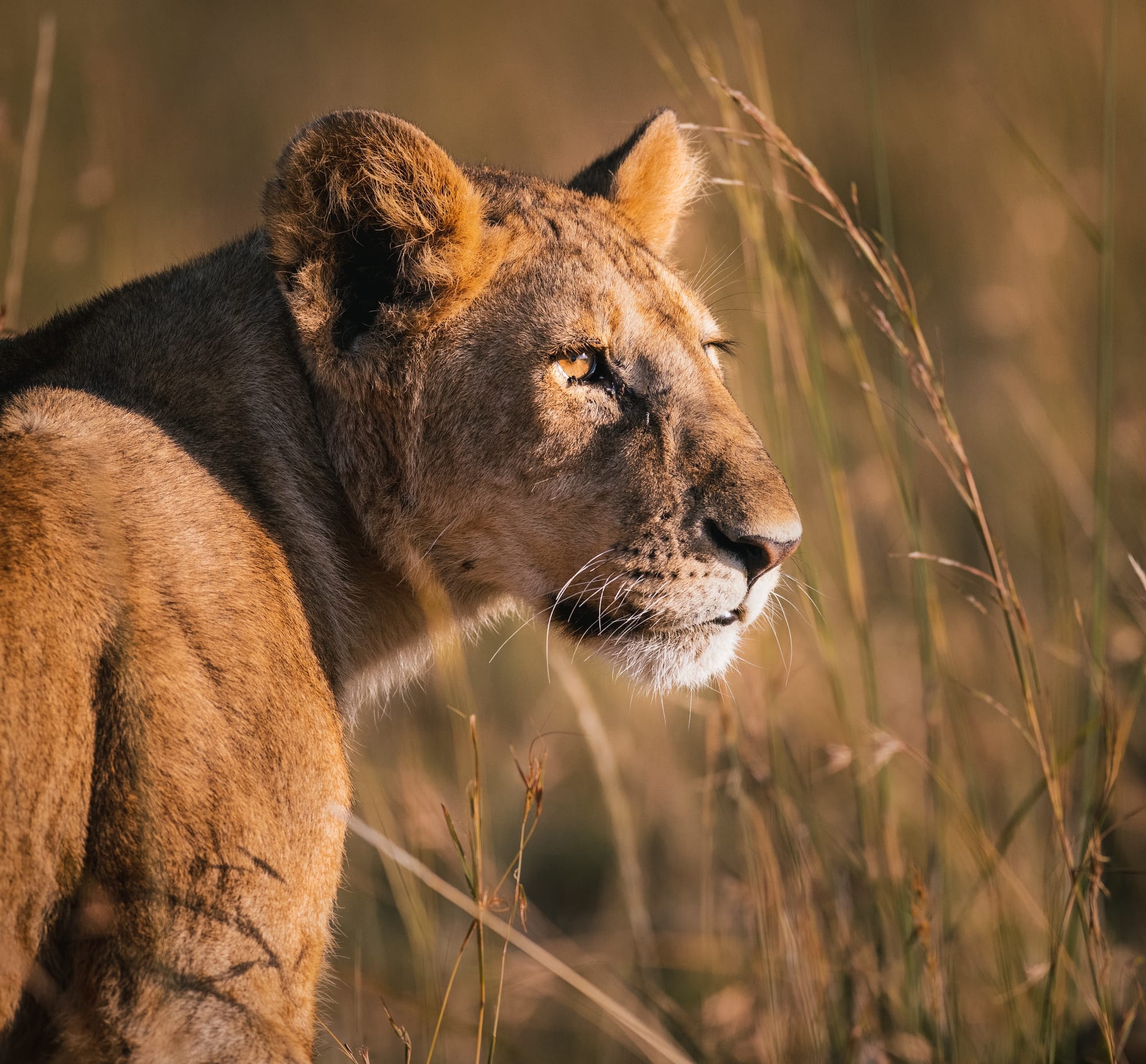
Important rule: Private vehicles are no longer allowed for game drives inside the reserve. Only licensed safari vehicles are permitted. This actually makes DIY travel easier. Get yourself to your lodge however you like, then book game drives directly through them. At Mara Hilltop, a full-day game drive costs $220-250 per vehicle for up to 7 people. Split that with other guests and it's incredibly affordable.
If You Have More Time
Add 2-3 Days: Amboseli National Park
This is where you get the iconic photos of elephants with Mount Kilimanjaro rising behind them. The elephant herds are enormous and remarkably relaxed around vehicles. About 4-5 hours from Nairobi.
Add 3-4 Days: Diani Beach
Kenya's coast is world-class. Diani Beach is genuinely at the same level as Zanzibar, but less touristic and more authentic. Fly from Nairobi to Mombasa (about an hour, $50-100 one way), then transfer to Diani. The perfect way to decompress after safari days.
How to Sort Out Transportation
You have way more options than you think. Here's every approach.
For a detailed breakdown of Nairobi-to-Mara transport specifically, we've got a complete transport guide here.
Option A: Hire One Driver for the Whole Loop
Hire a single driver with a car in Nairobi for your entire trip. One price upfront, no transport headaches. Expect to pay $60-80 per day for a driver with a sedan.
Option B: Do It in Segments
Often cheaper and more flexible:
- Nairobi to Naivasha: Taxi or shuttle (~$30-50, 1.5 hours)
- Naivasha: Hire a local driver for 2 days of exploring
- Naivasha to Mara: Arrange a transfer through your Mara lodge
- Mara to Nairobi: Lodge transfer or domestic flight
Option C: Full Budget, Public Transport
- Nairobi to Narok: EasyCoach or public bus, KES 500-1,000 (about $4-8). Comfortable, reliable, runs multiple times daily.
- Narok to Maasai Mara: Shared taxi, about KES 800 ($6-7). You can reach the Maasai Mara for under $15 in transport.
Premium: Domestic Flights
Safarilink and Skyward Express fly from Wilson Airport to Mara airstrips daily. About 45 minutes, $150-250 one way.
Pro tip: Mix and match. Drive or shuttle to Naivasha, then have your Mara lodge arrange the onward transfer. No rule says you have to use the same transport for the whole trip.
The Land Cruiser Trick That Saves You $1,000+
This is one of the biggest savings when you plan independently.
Kenya's highways are excellent. Nairobi to Naivasha is smooth tarmac. Nairobi to Narok is a proper highway. For city-to-city transfers, a normal sedan is perfectly fine.
The cost difference is massive:
- Normal sedan rental: ~$40-50 per day
- Land Cruiser rental: ~$130-250 per day
Many packages charge Land Cruiser rates for the entire trip, including the days you're just driving on highways. If you're planning independently, that's an easy saving.
The smart approach: Use a normal sedan, taxi, or bus for getting between destinations. Only use a Land Cruiser for actual game drives inside the reserves. And here's the thing: most lodges provide their own safari Land Cruisers for game drives anyway. At Mara Hilltop, our vehicles are fully equipped with pop-up roofs, driven by expert local Maasai guides. The vehicle is included in the game drive price.
Why Local Maasai Guides Beat Agency Drivers
When you book directly with a lodge, your game drive is typically led by a local Maasai guide who grew up in the area rather than a driver based in Nairobi.
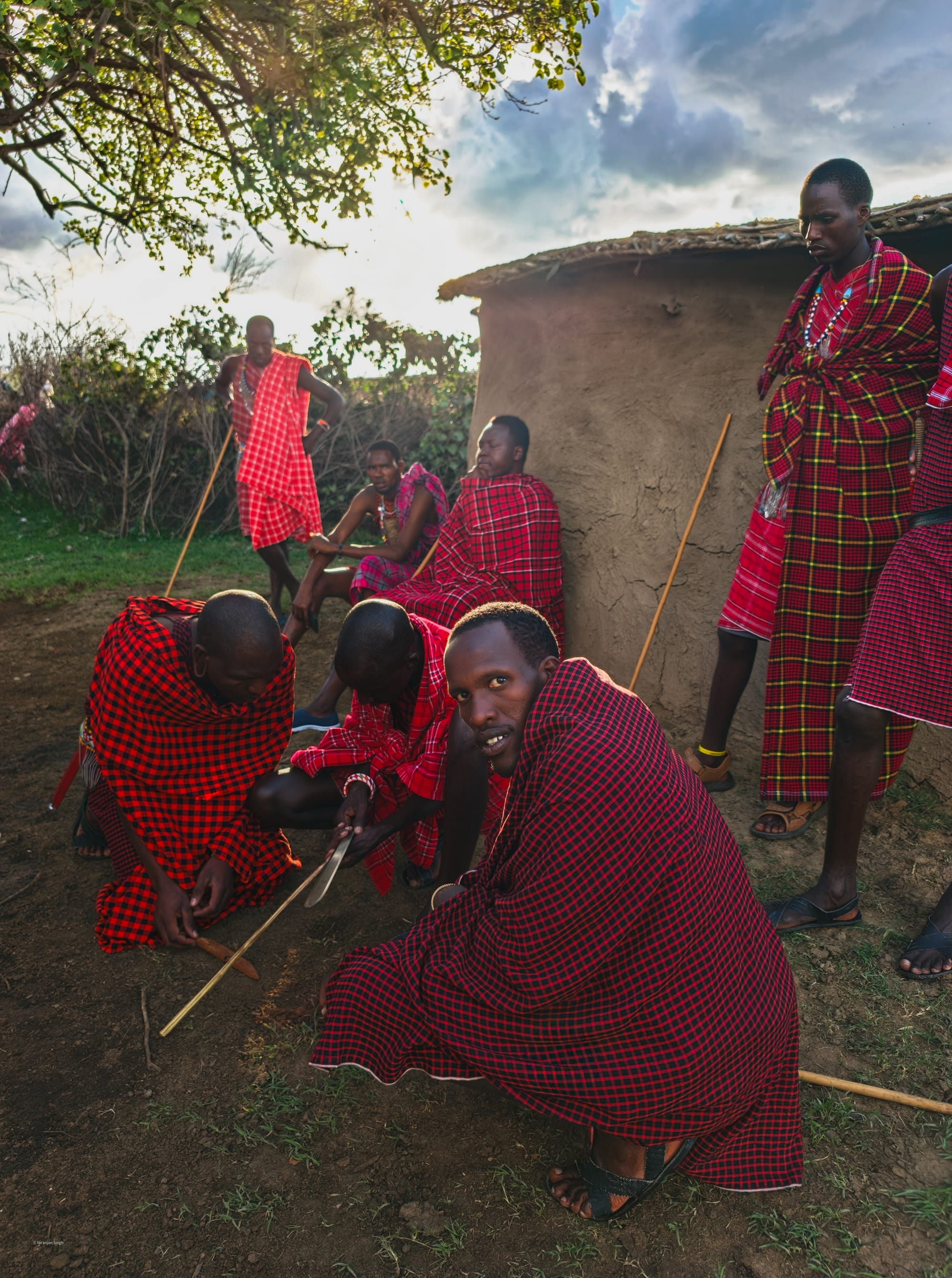
The difference is noticeable. Local guides are in constant contact with other drivers, rangers, and community members across the reserve. When a leopard is spotted, your guide knows before anyone else. They read animal behavior instinctively, they know which crossing point the wildebeest are heading toward, and they share the cultural significance of the land in ways a city driver simply can't.
It's one of the nice perks of booking direct with a lodge.
Health and Travel Insurance
- Yellow fever vaccination: Only required if arriving from a yellow fever endemic country. If you're coming from Europe, North America, the Gulf, or Asia, you don't need it.
- Malaria: The Mara is in a malaria-risk area. Talk to your doctor about prophylaxis. Use repellent in the evenings and sleep under a mosquito net (most lodges provide them).
- Travel insurance: Strongly recommended. Make sure it covers medical evacuation.
Is Kenya Safe?
Yes. The tourist circuits are well-established and well-protected. Solo female travelers visit Kenya independently every day. Travel between destinations during daylight, use reputable transport, and use M-Pesa instead of carrying large cash. Nairobi is no more dangerous than most major cities worldwide. Government travel advisories tend to be overly cautious because of specific border regions that are nowhere near tourist areas.
What to Pack
- Layers. Morning game drives start at 6 AM and 15C. By midday it's warm and sunny.
- Neutral, earthy colors. Khaki, olive, tan. Avoid white (gets filthy), black (attracts tsetse flies), and bright blue (also tsetse flies).
- Camera with a zoom lens. Your phone won't cut it for wildlife at distance. Even a basic 200mm zoom changes everything.
- Sunscreen, hat, and binoculars. The equatorial sun is fierce, and binoculars transform your game drives.
- Power bank and reusable water bottle. You'll be out all day.
Frequently Asked Questions
How much does a DIY Kenya safari cost?
A comfortable mid-range 6-7 day trip costs approximately $700-1,200 per person, including accommodation, transport, game drives, and park fees. Ultra-budget travelers can manage on $50-80 per day. This is typically 30-50% less than the same trip through an agency.
Can you do Maasai Mara without a tour operator?
Yes. Travel independently, book accommodation and game drives directly with lodges. Since 2024, private vehicles aren't allowed for game drives inside the reserve, but your lodge arranges licensed safari vehicles for you.
How do I get from Nairobi to Maasai Mara without a tour?
Several options: lodge transfer ($150-250 one way), domestic flight from Wilson Airport ($150-250), EasyCoach bus to Narok then shared taxi (under $15 total), or rent a car and self-drive (about 5-6 hours). See our complete transport guide for details.
What is M-Pesa and do I need it?
Kenya's mobile money system. Almost everything accepts it: fuel, groceries, park fees, taxis, restaurants. Register at any Safaricom shop with your passport. Safer than cash and universally accepted. Highly recommended.
When is the cheapest time to visit Kenya?
Green season: January through March and November. Park fees are lower ($100/day vs $200/day for Maasai Mara), accommodation rates drop, and there are fewer tourists.
How far in advance should I book?
For off-peak months, 2-4 weeks is usually fine. For peak migration season (July to October) and December holidays, book 2-3 months ahead.
Can you negotiate safari prices in Kenya?
When you book directly with lodges, you're already getting the best rate. Many offer discounts for longer stays, group bookings, or off-peak travel. A simple WhatsApp message can save you hundreds of dollars.
Is Kenya safe for solo female travelers?
Yes. The main tourist areas are safe and welcoming. Stay at reputable lodges, use established transport options, and apply the same awareness you would in any unfamiliar destination.
Ready to Plan Your Own Kenya Safari?
Pick your dates. WhatsApp a few lodges. Book your transport. That's genuinely all there is to it.
Want help getting started? Reach out to us at Mara Hilltop. We'll answer any questions, help plan your route, and book your accommodation and game drives directly. No markup, no hassle.
📱 WhatsApp: +254 114 505 977
📧 Email: hello@marahilltop.com
Your Kenya adventure is closer than you think. And you can absolutely do it yourself.